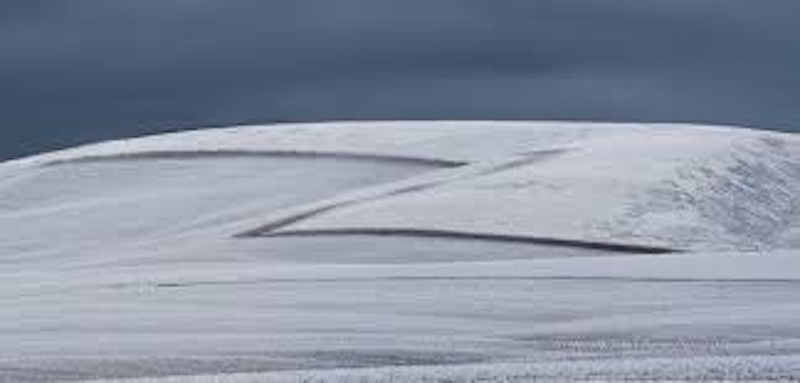


In Wyoming, snow isn’t an interruption, it’s an expectation. It arrives early, stays late, and teaches you, without ceremony, how small your plans really are. You prepare because you have to. You keep extra food, extra fuel, extra patience. When I was a child, preparation had become so routine it felt invisible. That may be why I didn’t hear the term “snow day” until I was a junior in high school, and even then, it sounded like a rumor from somewhere else.
The month I learned what a snow day was happened in May. The local tv station broke the news. We were excited, Dead Horse Hill was within walking distance, perfect for a day of sledding.
The weekend of our spring play, Applause, was closing in fast. Rehearsals stretched late into the evenings, no one worried about the impeding storm, life would carry on as it always did. As a member of the dance ensemble, I counted steps everywhere, on the walk home, in the kitchen, lying awake at night. This was my second major production, and for the first time I understood the particular exhaustion that comes with wanting something badly and being afraid to lose it.
May in Wyoming is a dangerous month for wanting things. It’s lambing season, when time fractures into watchful nights and weather reports. My parents’ rancher friends spoke in a language of vigilance, who had lost lambs, who had already been hit by snow. Lambs were almost always born in the worst blizzard of the year, as if spring itself resented being rushed. The snow that fell in May was different from winter snow: wetter, heavier, capable of collapsing roofs and soaking you through before you could turn back.
That year, the storm arrived overnight.
By morning, we had three feet of snow. Maybe more. The numbers mattered less than the silence it brought with it. School was suddenly cancelled, too dangerous to be out on the roads. The snowplows carved the street in front of my house into narrow corridors, piling snow into the center until it formed a wall so high I couldn’t see the houses across the road. The world felt sealed off, contained by white.
The play was postponed. Costumes stayed on their hangers, choreography suspended mid-count. And the ski area on the mountain near my house, which should have been closed for weeks, extended its season into June, because winter in Wyoming leaves only when it decides to.
That storm taught me something I wouldn’t understand fully until years later: that preparedness isn’t control. It’s respect. You learn to live inside forces you cannot bend, only accommodate. You learn that timing is a negotiation you will not always win.
I left Wyoming eventually, as many of us do, carrying with me the habits of a place that doesn’t explain itself. Even now, if snow falls, I feel the old instinct to pause, to wait, to let the storm finish speaking. The much talked about storm in Maryland this last week of January has been a challenge. Ice has covered everything. There’s no point in shoveling, this is a waiting game.
Some places teach you ambition, others teach you endurance. Wyoming taught me how to stand still and pay attention.
Write a Letter to the Editor on this Article
We encourage readers to offer their point of view on this article by submitting the following form. Editing is sometimes necessary and is done at the discretion of the editorial staff.