

In 1960, then-U.S. Senator John F. Kennedy and then-U.S. Vice President Richard M. Nixon were opponents in the Presidential election. It was hard fought contest that led to Kennedy being declared the winner with a winning popular vote margin of 0.17%.
Then and still today, political observers suggest an event that was pivotal in that outcome was the first televised presidential debate featuring the candidates rather than surrogates debating on their behalf.
The first of three-hour-long debates held in 1960 was watched by an estimated seventy million viewers at a time when almost the same number (68,638) of the U.S. population actually voted in the subsequent presidential general election.
As presidential candidates, Nixon and Kennedy had much in common. Both were intensely ambitious, close in age — Kennedy was forty-three, and Nixon was forty-seven, World War II veterans, elected to serve as members of the U.S. House of Representatives and U.S. Senate, and both were seasoned campaigners.
Polling done after the first debate had starkly different results on who won and who lost.
Many of those who watched the first debate thought Nixon did poorly and “lost” the debate. They thought Nixon appeared old, haggard, and even menacing due in part to a five o’clock shadow beard made worse by his refusal to wear makeup.
Many of those who watched the first debate thought Kennedy did well and “won” the debate. They thought Kennedy appeared young, vigorous, and tanned due to pre-debate tanning sessions.
Conversely, many who listened to the first debate on the radio thought Nixon did well and “won” the debate and many who listened thought Kennedy did poorly and “lost” the debate.
Only years after the debate did it become well known that appearances can be deceiving.
John F. Kennedy had numerous, lifelong, chronic, and serious medical conditions, all of which were carefully hidden by himself and his campaign advisors.
Among other things, he had Addison’s disease, colitis, ulcers, autoimmune issues, back issues requiring several operations, and depression, all treated with regular and copious amounts of painkiller pills and injections.
Some medical professionals have suggested his Addison’s Disease alone could have led to an early death had he not been assassinated.
As often happens with public opinions, first impressions are lasting impressions.
That reality was duly noted by Richard Nixon, who, despite his ethical lapses, was an astute and shrewd politician.
In 1968, Nixon ran for president again and narrowly defeated then-Vice President Hubert Humphrey, winning the popular vote by 0.7%.
In the 1968 election, Nixon effectively rebranded himself using a television commercial blitz that is discussed in detail by Joe McGinnis in his bestselling book, “The Selling of the President.”
Despite Nixon’s landslide re-election in 1972, in which he won with a 23.2% popular-vote margin, he could not overcome the fallout from Watergate, which ended his presidency.
Fast forward to today.
Campaigning for the next cycle of presidential primaries and the 2028 presidential election is well underway.
A recent article by Holly Otterbein and Alex Thompson, published on the Axios website, featured the following headline: “Makeovers are part of the prep for Dems eyeing 2028.”
The article offers observations on several potential Democratic presidential candidates for 2028 with respect to their appearance in three areas: weight, fashion, and facial hair.
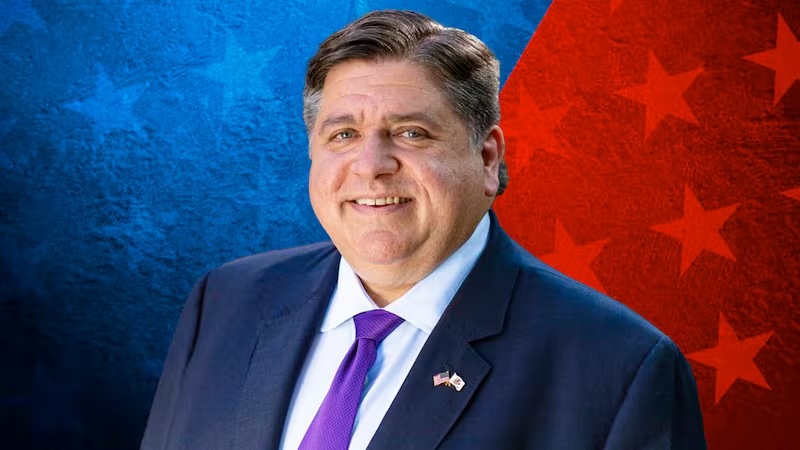
With regard to weight, they mention Illinois Governor J.B. Pritzker and United States Senator Elissa Slotkin, both of whom have lost substantial weight.
With regard to fashion, they include observations by Derek Guy, the editor of “Put This On” and a writer on men’s fashion.
Guy had this to say about Pennsylvania Governor Josh Shapiro — “When Shapiro was elected governor in 2022, his clothes looked like clothes that you bought in the ’90s. Shapiro’s suits [now] are more tailored and modern, but not flashy. Shapiro sometimes ditches a tie, has swapped out his old glasses for a trendier, rectangular pair, and often wears sneakers.”
Guy also had this to say about California Governor Gavin Newsom — “He dresses pretty well. I particularly like his ties but wonder if that look might be too stylish for some voters.”
Otterbein and Thompson wrote that United States Senator from Connecticut Chris Murphy and former United States Secretary of Transportation Pete Buttigieg are now sporting beards.
The Axios article also includes this cogent observation from veteran Democratic campaign consultant and political pundit James Carville: “No one’s going to say, ‘I’m not going to vote for someone because they’re not attractive’… but it certainly matters.”
Yes indeed, it does matter.
After the next cycle of presidential primary elections and the 2028 presidential general election it will be interesting to review and analyze exactly how much candidate appearances and exactly how much candidate issue positions mattered on voter thinking and behavior.
David Reel is a public affairs and public relations consultant. He is also a consultant for not for- profit organizations on governance, leadership, and management matters. He lives in Easton.
Write a Letter to the Editor on this Article
We encourage readers to offer their point of view on this article by submitting the following form. Editing is sometimes necessary and is done at the discretion of the editorial staff.