
Like many artists, Erdmann “Oerdy” Hummel is a man whose life and art are deeply intertwined. But his story is also a journey through politics and personal resilience that many don’t get to nor would want to experience. To hear him speak is to get caught up in the intensity of his past, the present of an artist committed to his craft, and a future of hope. It’s to be invited on a trip from East Germany’s Communist regime to one of international acclaim as an artist and a journalist.
Oerdy’s latest works feature zebras with vibrant, colorful stripes. For him, these zebras are symbols of individuality and joie de vivre, a spirited representation of life’s complexities and the beauty of embracing them, a far cry from the black-and-white thinking he grew up fighting against.
Reflecting on his choice of subject, Oerdy says, “I love zebras. They are a symbol of freedom to me. Each of these animals is different. Their stripes are individual. Also, zebras are herd animals like humans, and there are many secrets about these zebras.”
It’s a message that resonates deeply with Susan Schauer John, owner of the Zebra Gallery. “I met Oerdy earlier this year through Richard Marks and Amy Haines, who invited him to do a show at the Out of the Fire Restaurant. I immediately fell in love with the work and, of course, the meaning of the work. It’s a 100% fit with the Zebra Gallery and our mission.”

Oerdy’s life story is as striking as his art. Growing up in East Germany, he learned early on that art could be a powerful tool for self-expression and defiance. After multiple attempts to escape the Communist regime, he finally found freedom when the Berlin Wall came down. He then pursued a career in journalism, reporting from some of the world’s most dangerous crisis zones, including Afghanistan, Iraq, and Gaza. Even while documenting these intense experiences, Oerdy never stopped painting. “My personal history is deeply embedded in my art,” he said. “When I was in prison, I thought about freedom and how to get it, and what would I do for my own freedom. Art became a means of resistance, a way to say things that couldn’t be spoken aloud.”
It’s a sentiment that Schauer John understands well. “What I love about Oerdy’s work is that it’s not just beautiful—it’s meaningful. He uses materials like aluminum cans he’s collected at war zones worldwide. That’s amazing, and the symbolism involved in that speaks volumes. I particularly love his style and his work, but more importantly, the meaning behind it, and for me, that richness matters.”
In one of his pieces, a zebra is painted in the yellow and blue of the Ukrainian flag, its body pressing through a wall marred by symbols of oppression. Oerdy explains, “I painted this piece after Russia invaded Ukraine. The zebra, with its yellow and blue stripes, is a symbol of hope breaking through darkness.” It also rejects the black-and-white mindset he associates with authoritarian regimes. “Colors give me hope. The world isn’t black and white. The world is colorful.”
For Schauer John, Oerdy’s art is a profound example of how creativity can bridge cultural divides and speak to universal themes. “Art has this incredible ability to connect us. No matter where we come from, we all understand loss, hope, and resilience,” she says. “What I’d like people to take away from seeing his work is a sense that art is a way to reflect and appreciate all that is around us and all that we’re capable of and how we all share this life on the planet. I think there’s a language in art, whether a painting or a sculpture, that transcends language differences, and I think art brings us together in that way.”
Oerdy’s admiration for American culture is another thread woven throughout his life and work. Growing up under the shadow of the Berlin Wall, he was captivated by American jazz, pop art, and films. “American culture showed me what freedom looked like,” he says. “
When asked what he hopes to leave behind, Oerdy is humble. “I don’t think about that too much. I just enjoy creating art.” Schauer John, however, has no doubt about the lasting impact of his work. “It’s an honor to host an international artist like Oerdy,” she says. “Now, when we’re feeling somewhat divided, it’s important to have perspective, and I think Oerdy brings that, having grown up in East Berlin and gone through what he’s gone through, to be here now is really a sentiment to appreciate what we have. ”
Through the end of the month, Oerdy’s works are on display at the Zebra Gallery in Easton as part of the Evolutionary Art and Artists series. But Schauer John says that she will continue to exhibit Oerdy’s work and encourage visitors to look beyond the black and white, to experience his journey of courage, creativity, and the belief in the power of art to break down barriers—both literal and metaphorical and to dare to see the world in vivid color.
The Zebra Gallery is located at 5 N. Harrison St. in Easton, MD.
Hours: Thurs – Sat. 11 – 5 pm, Sun. 11-4 pm
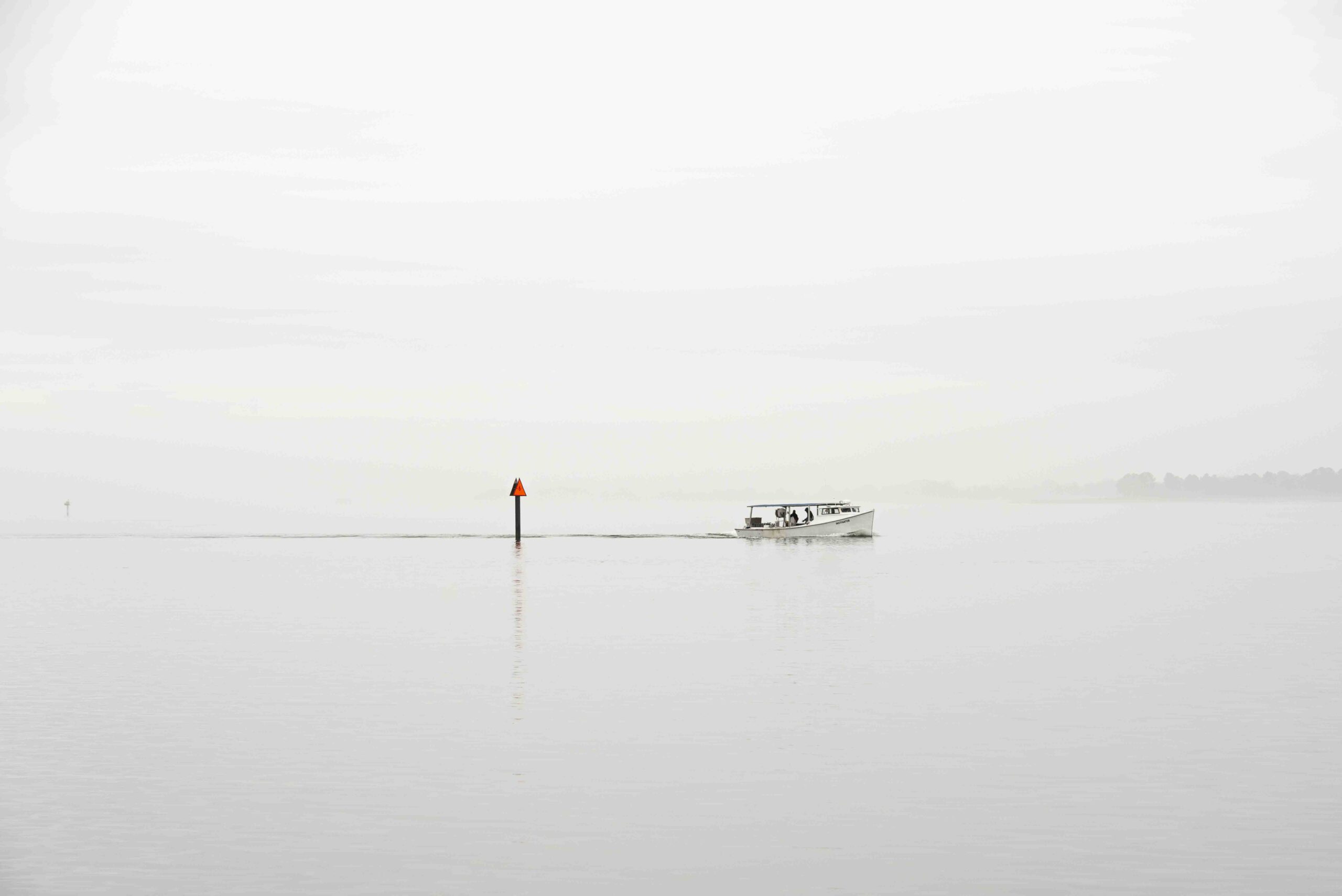
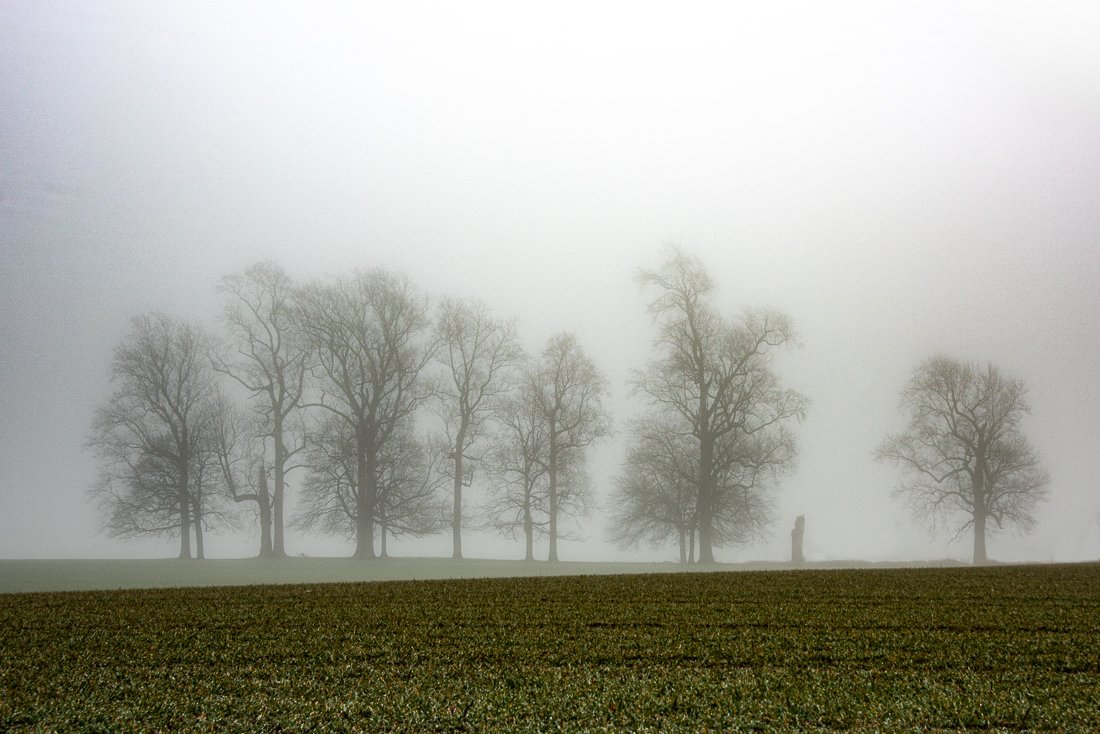
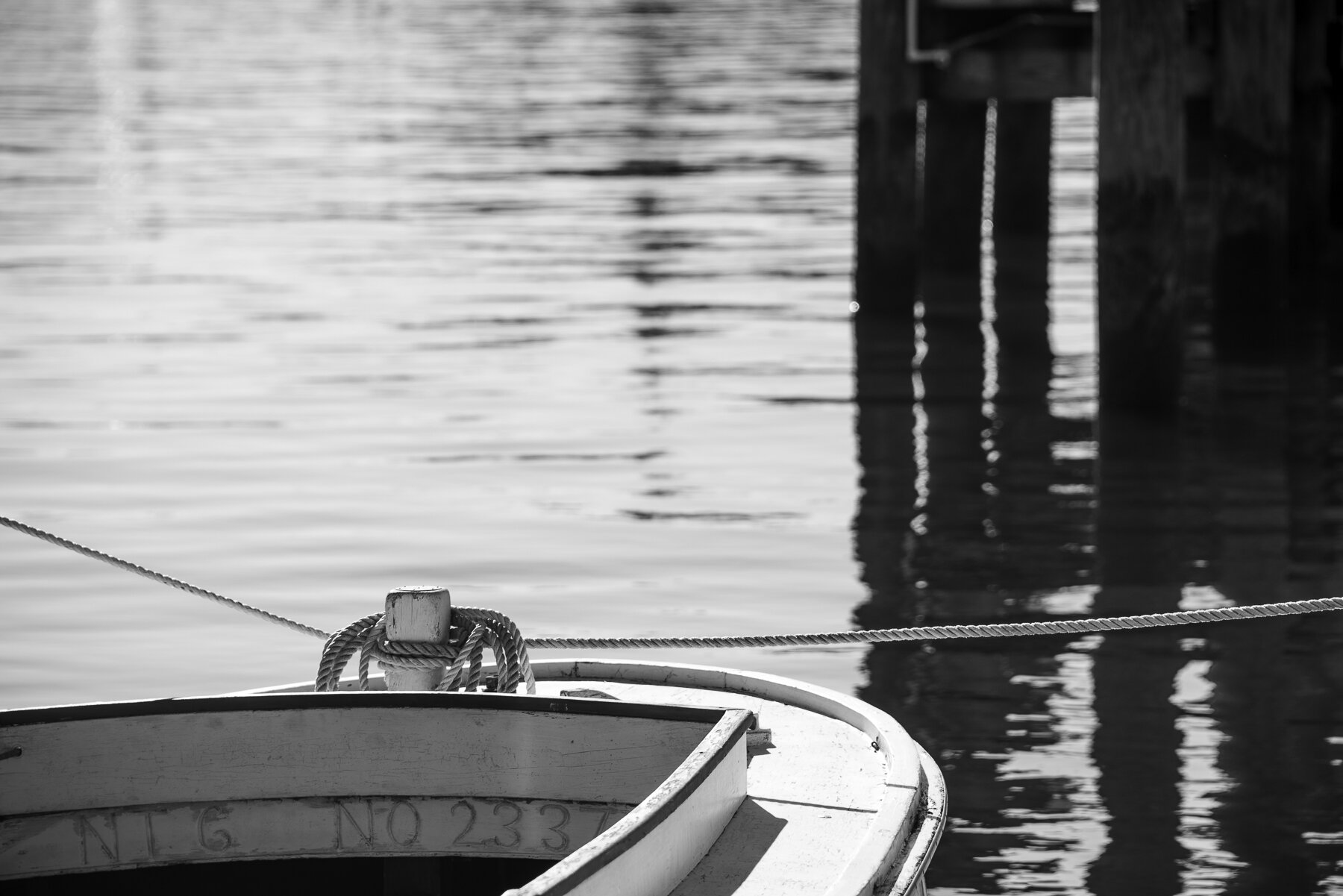 This delicate balance between simplicity and power is a hallmark of Horstman’s work. She strives for images that offer viewers a visual reprieve. “I guess it’s just that your eye isn’t darting everywhere,” she explains. “It doesn’t take a lot of energy to look at it—it just feels calm. When there’s too much going on, I want to move on.”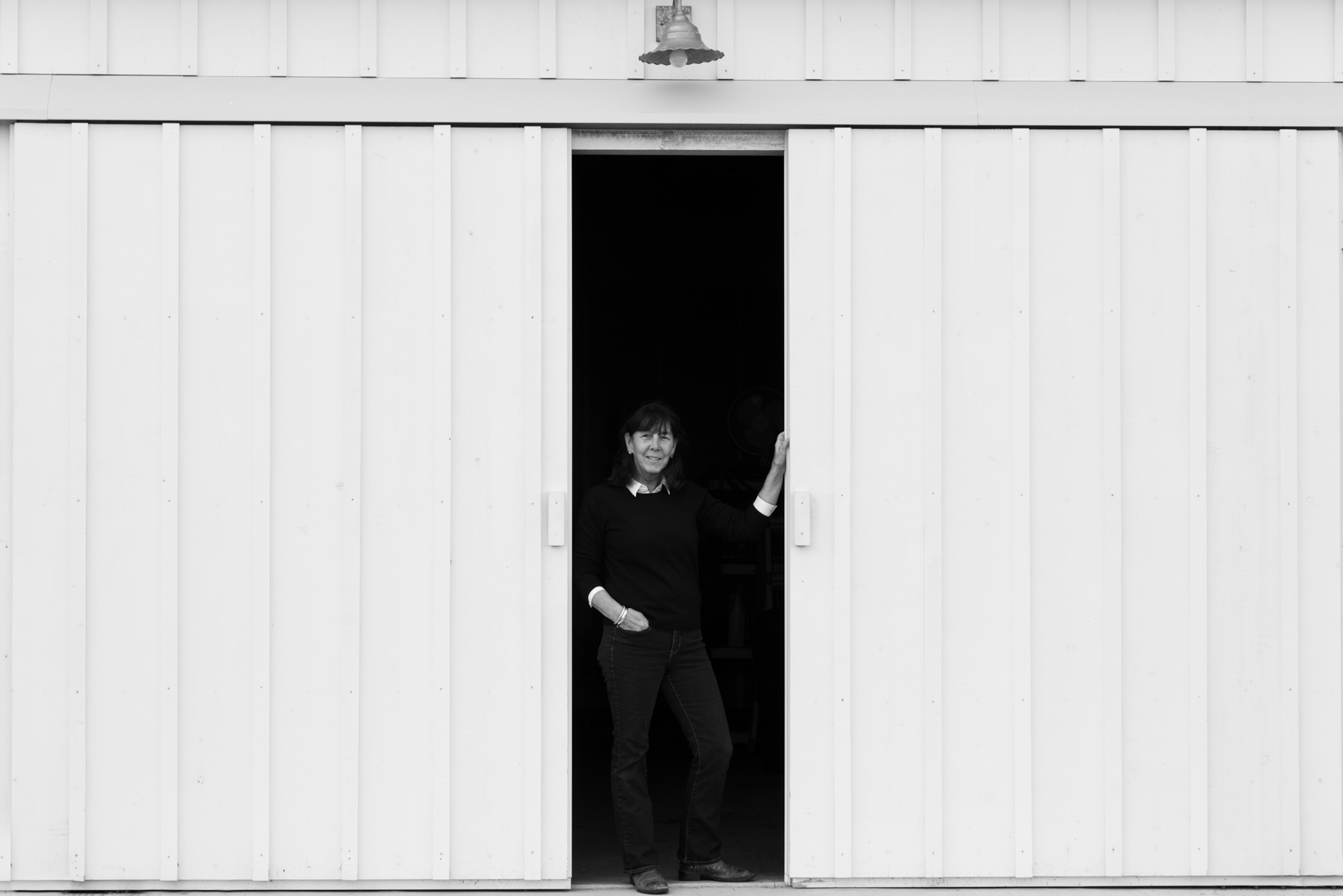


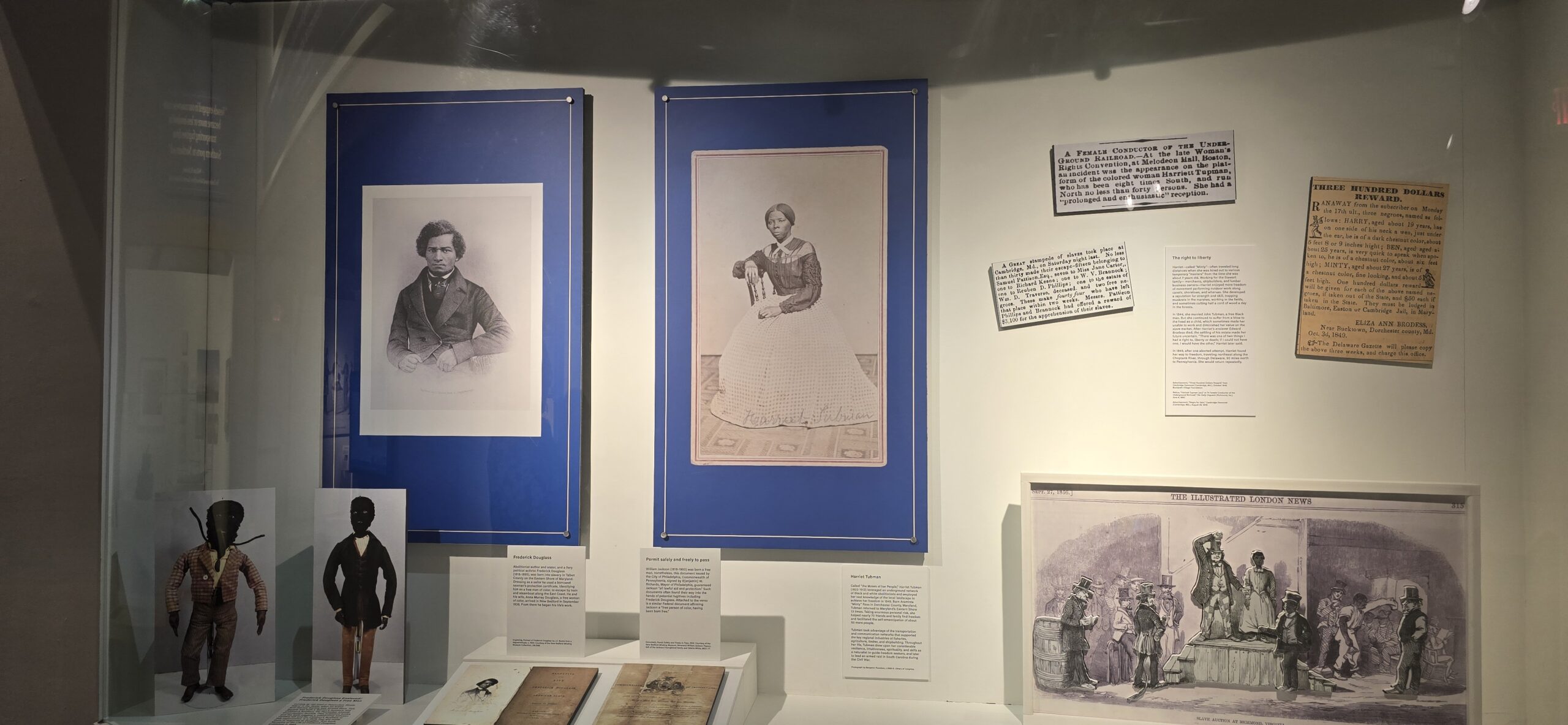
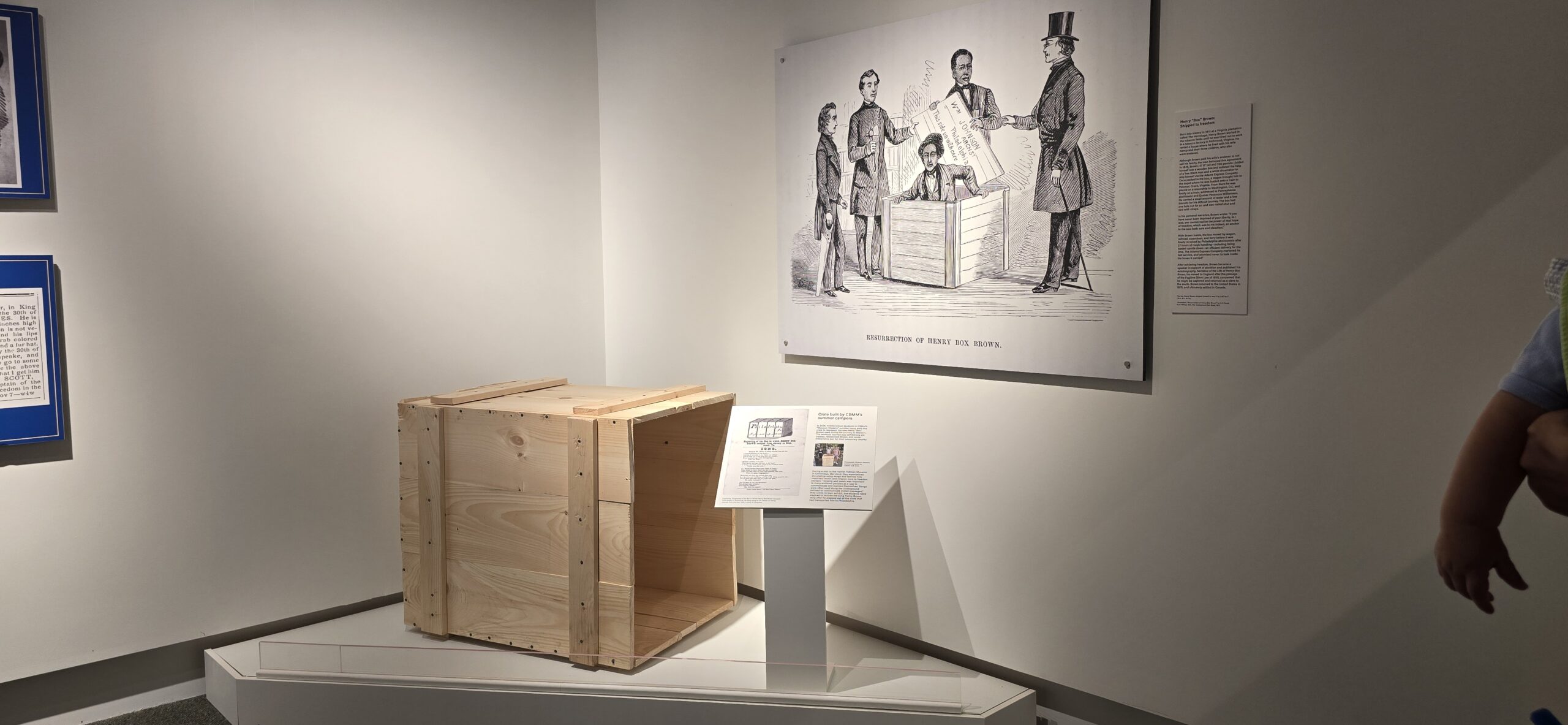
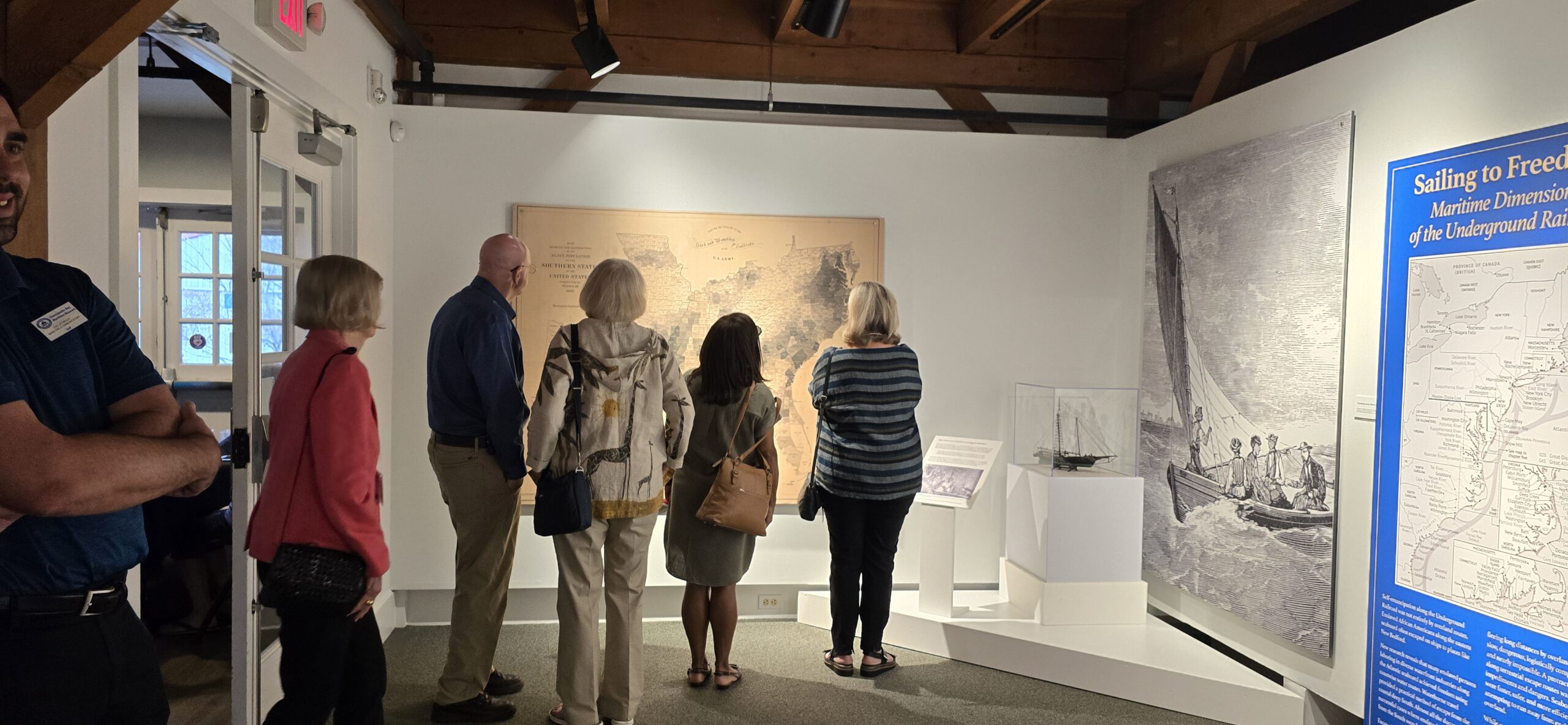


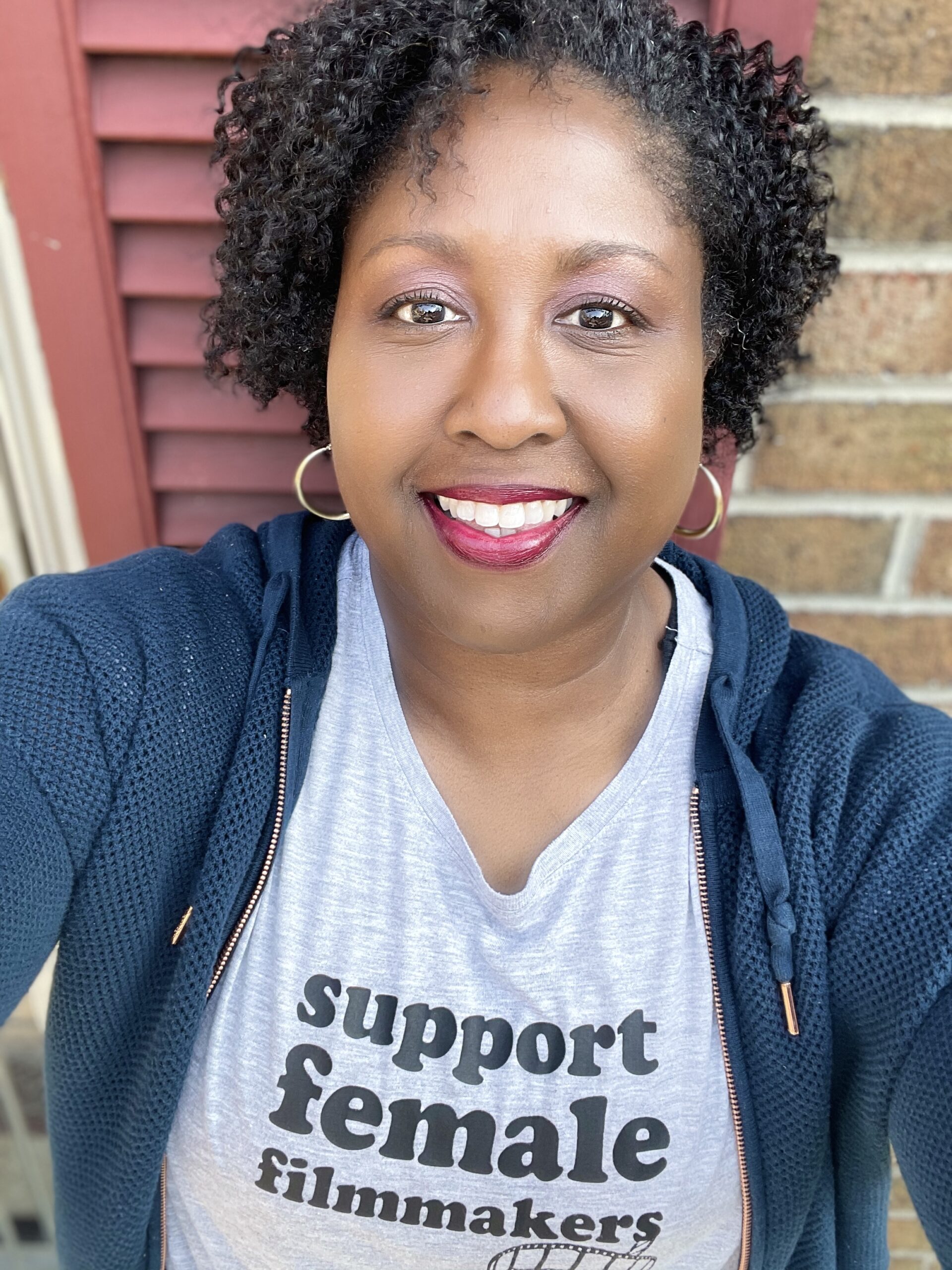 Monda Raquel Webb is a force of nature—a visual storyteller who has carved out a unique space in the film industry by bringing hard-to-talk-about narratives to light. As a filmmaker, author, and poet, Webb’s work is deeply rooted in uncovering the stories that often go unnoticed, stories that challenge the status quo and push audiences to think beyond the surface. Her films, which have won international acclaim, explore difficult subjects like racism, homelessness, and social injustice. As the Vice President and Festival Programming Coordinator of the Chesapeake Film Festival, Webb is uniquely qualified to curate and elevate films that provoke thought, inspire change, and reflect diverse and complex narratives
 To make this heavy subject more accessible, Webb chose to tell the story from that perspective — a young child who is part of the exhibit. “I thought, ‘What if I actually tell the story from the perspective of an eight-year-old on exhibit? What would that experience be like?’ And to look at the pathology — what type of circumstances would make the mother do this – to parade in front of staring crowds?”


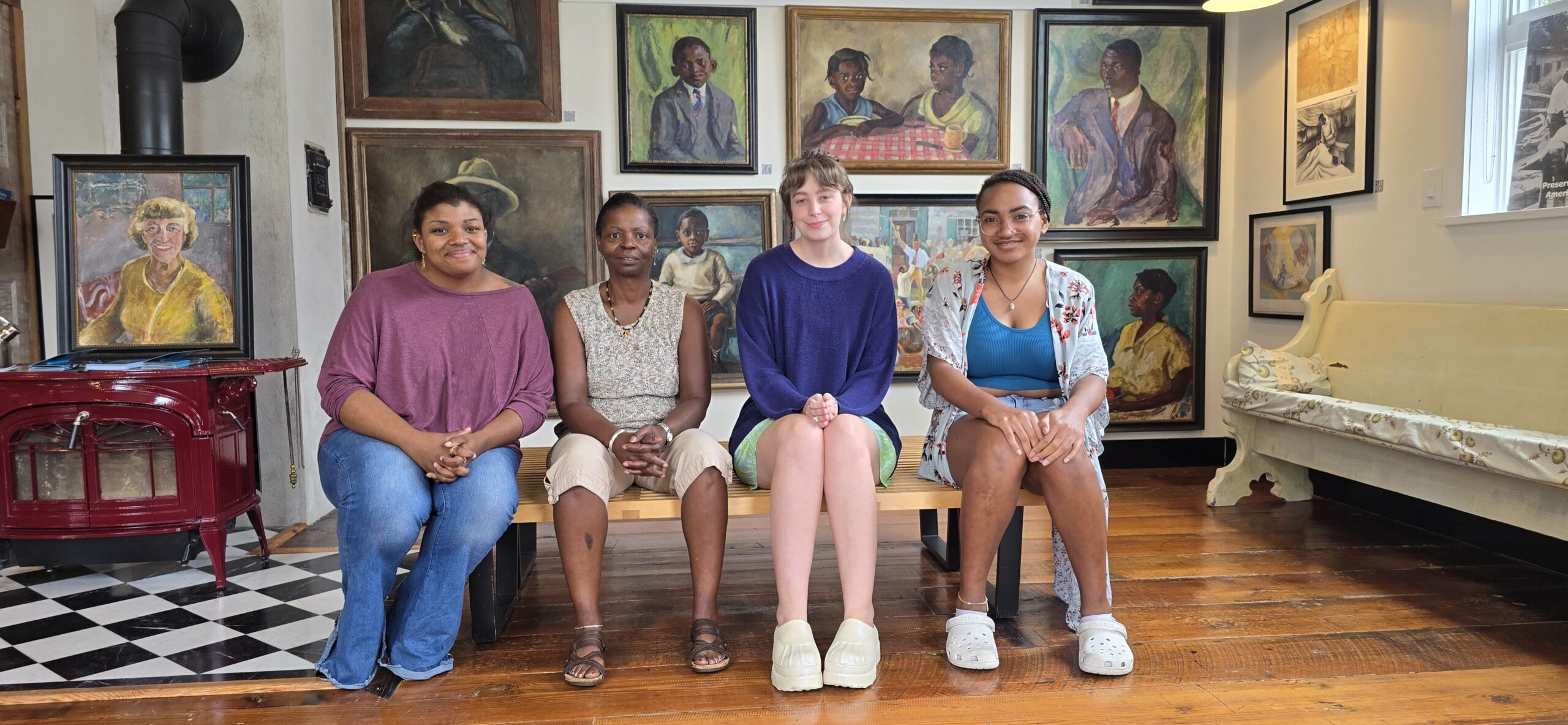
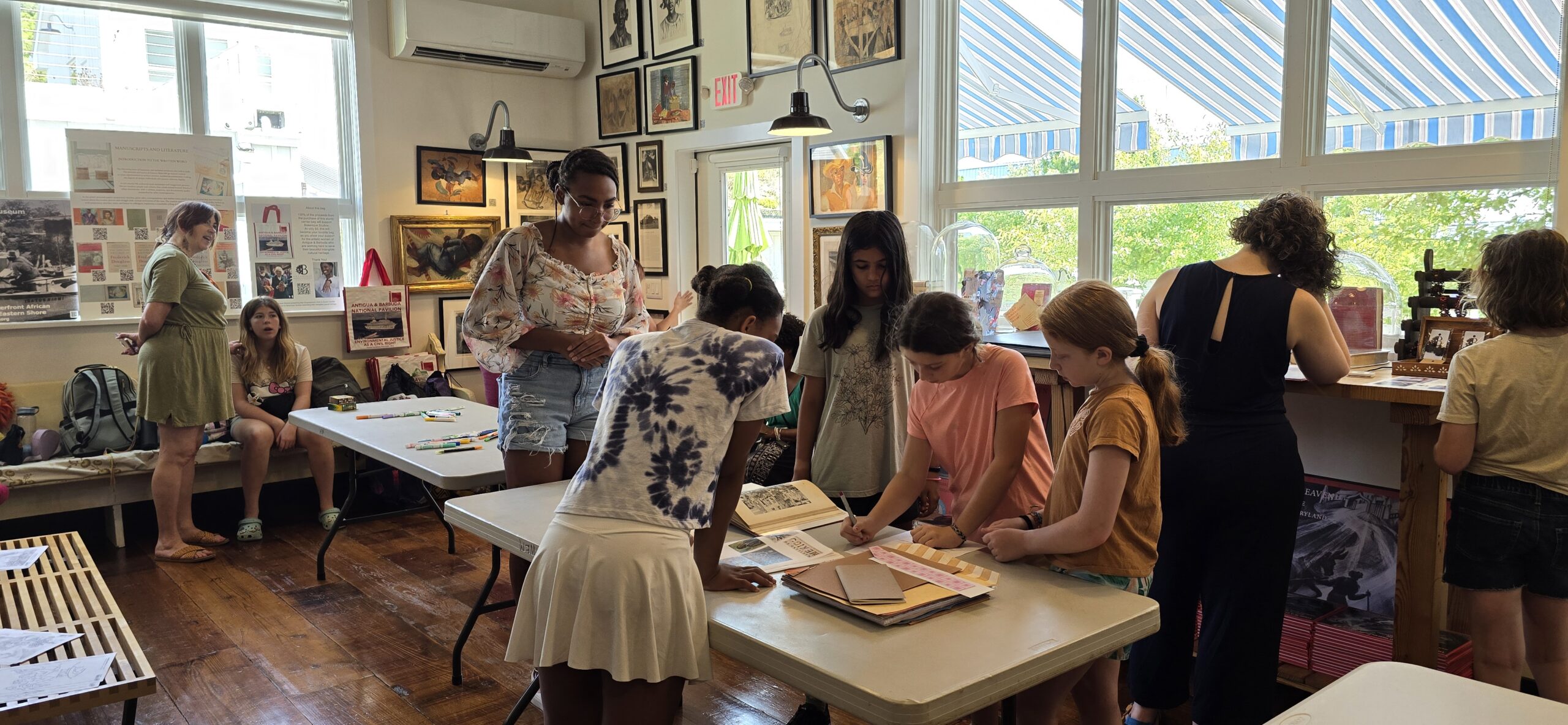 The coloring book is another new addition to the museum’s offerings. Ja’Lyn Hicks, who is overseeing the coloring book project, explained, “We’re turning the paintings in the gallery into individual drawings. The goal is for the kids to unlock their creativity. They don’t have to recreate all the colors they see; they can feel what they do and color it that way.”
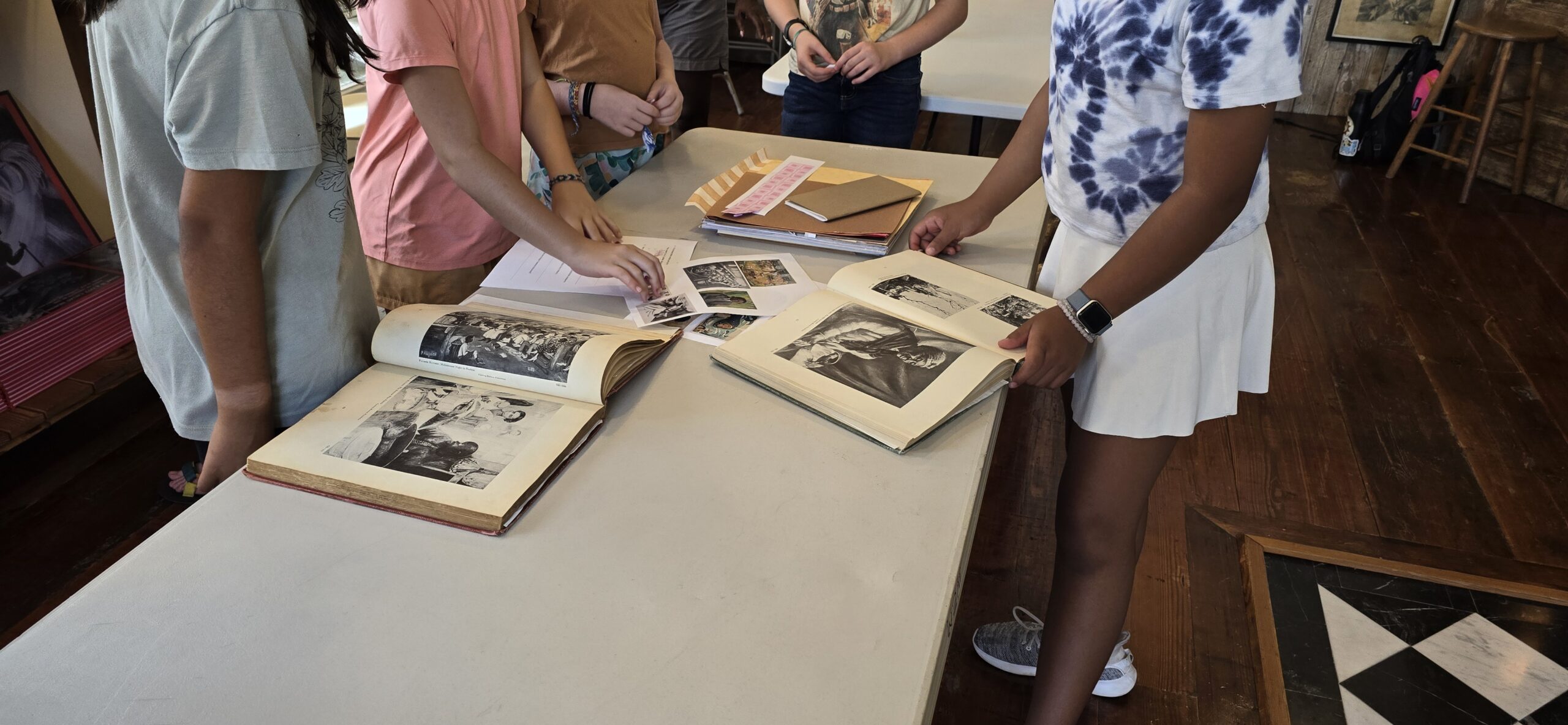 Hicks agreed, “Museums on the Eastern Shore are small and usually underfunded. So after kids come here, they go back to their school and say to their friends, ‘You should check out this place.’ Hopefully, that will spread the word and let kids know that we have a lot of history here, and they can learn about it. They can come and get engaged here.”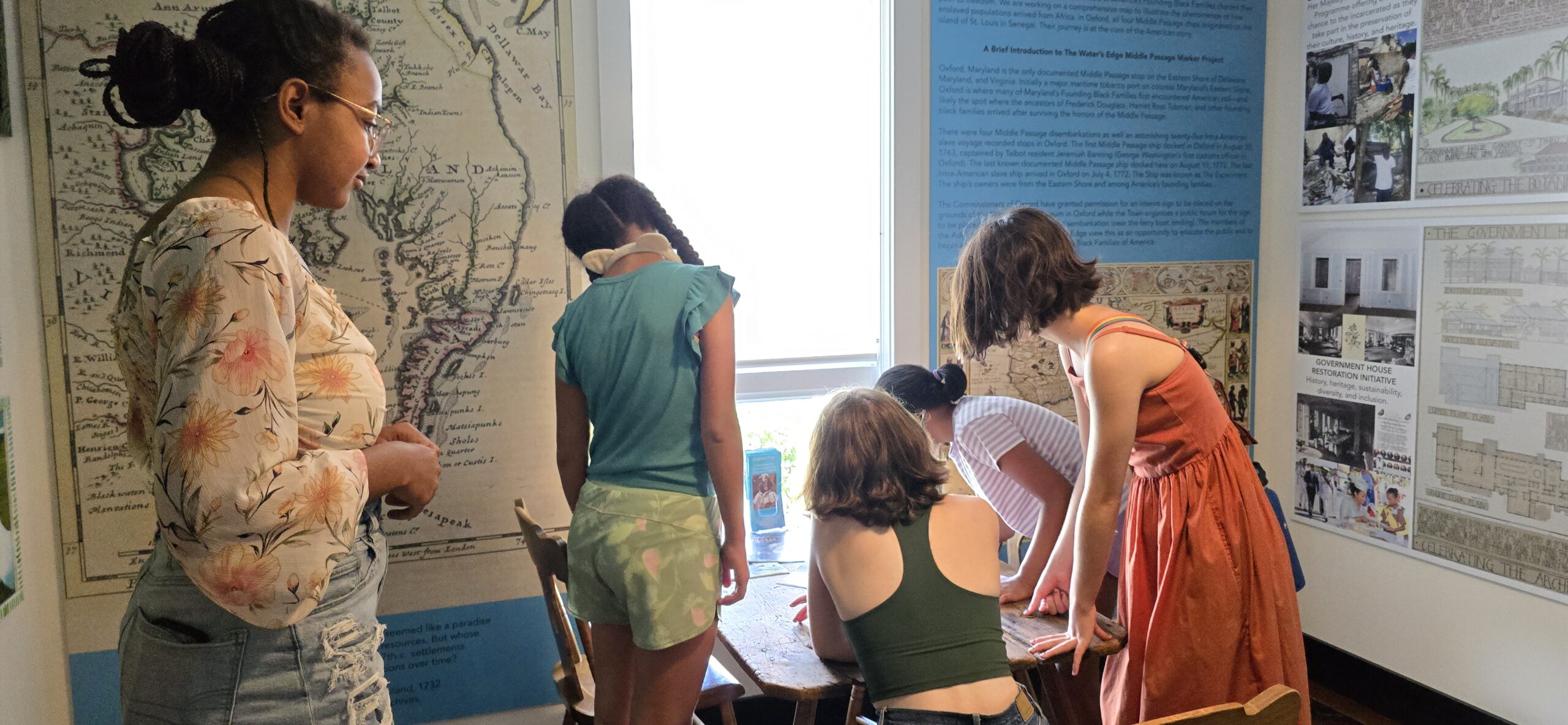
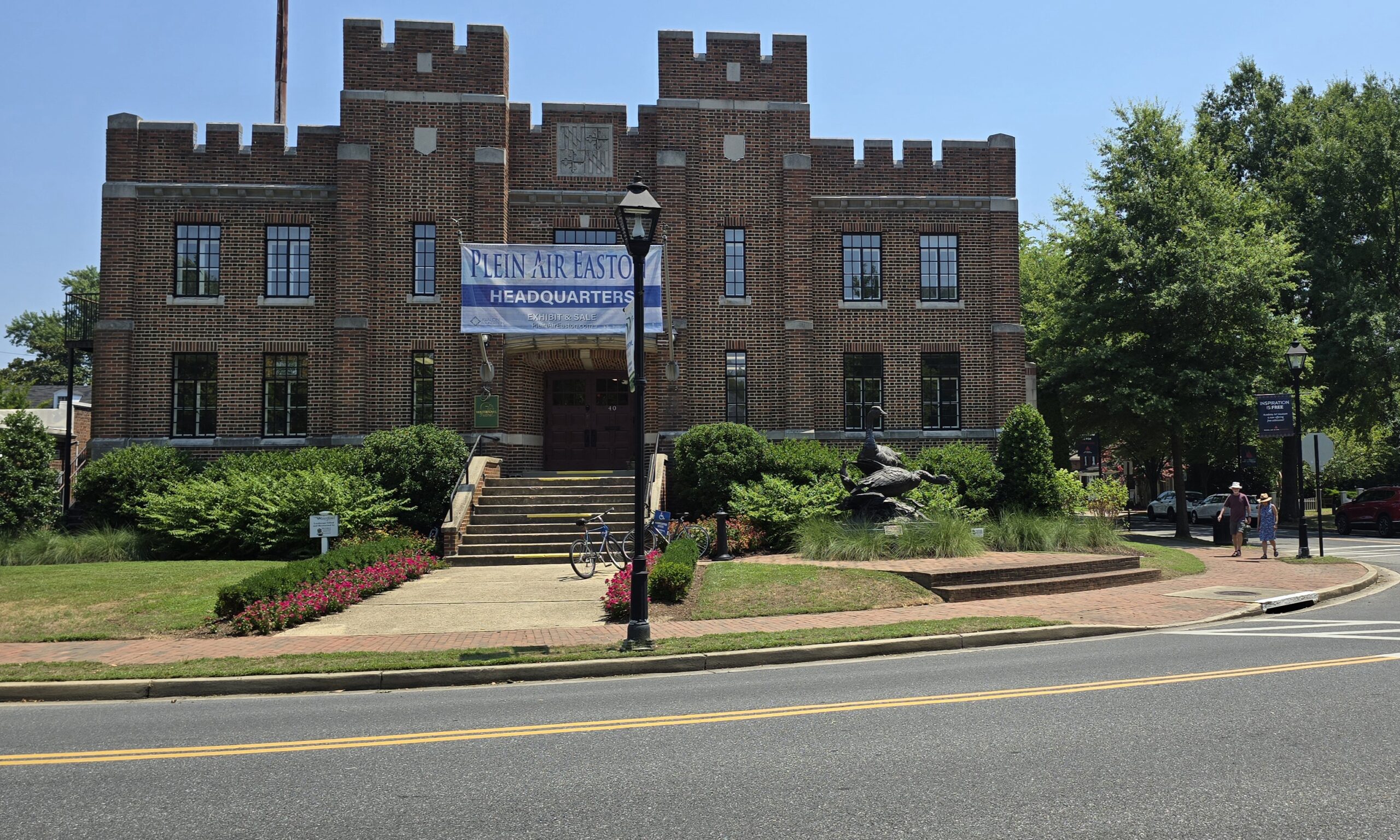
 Another fascinating aspect of the building’s history involves its role as a venue for African American basketball teams during a time when such opportunities were limited. “Traditionally, African American basketball teams had limited places to play, and the armory was one of those places,” said Kilmon. “We’re unearthing this history and discovering how the armory provided space. It was free; everyone could play here. Everyone was welcome.”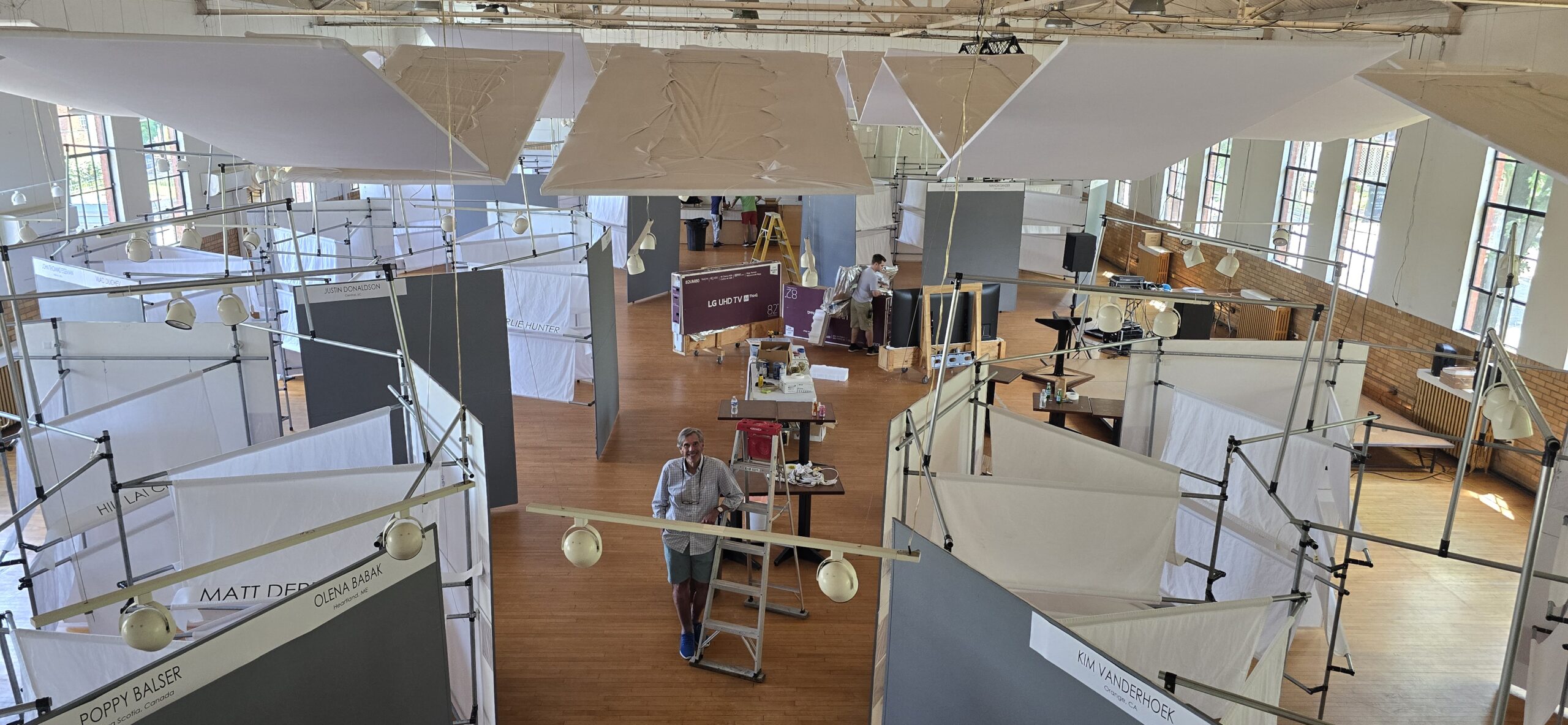

 Family-friendly activities include a bounce house for kids, a community kickball game (with a prize trophy as bragging rights), and a Double Dutch contest. “We’re bringing back the Double Dutch competition, something we used to see in the ‘80s and ‘90s,” said Bailey. Classic car and motorcycle enthusiasts can showcase their prized vehicles, with trophies awarded for the best car and best motorcycle. The event also features live music by DJ Mercury, adding to the festive atmosphere. “It’s going to be a great day of fun, food, and music,” Bailey says. In case of too much sun or inclement weather on Unity Day, tents will be on the premises, or attendees can enjoy the festivities inside the VFW building.