MENU

Sections

  • Home
  • Education
  • Donate to the Centreville Spy
  • Free Subscription
  • Spy Community Media
    • Chestertown Spy
    • Talbot Spy
    • Cambridge Spy

More

  • Support the Spy
  • About Spy Community Media
  • Advertising with the Spy
  • Subscribe
March 11, 2026

Centreville Spy

Nonpartisan and Education-based News for Centreville

  • Home
  • Education
  • Donate to the Centreville Spy
  • Free Subscription
  • Spy Community Media
    • Chestertown Spy
    • Talbot Spy
    • Cambridge Spy
Food and Garden Notes

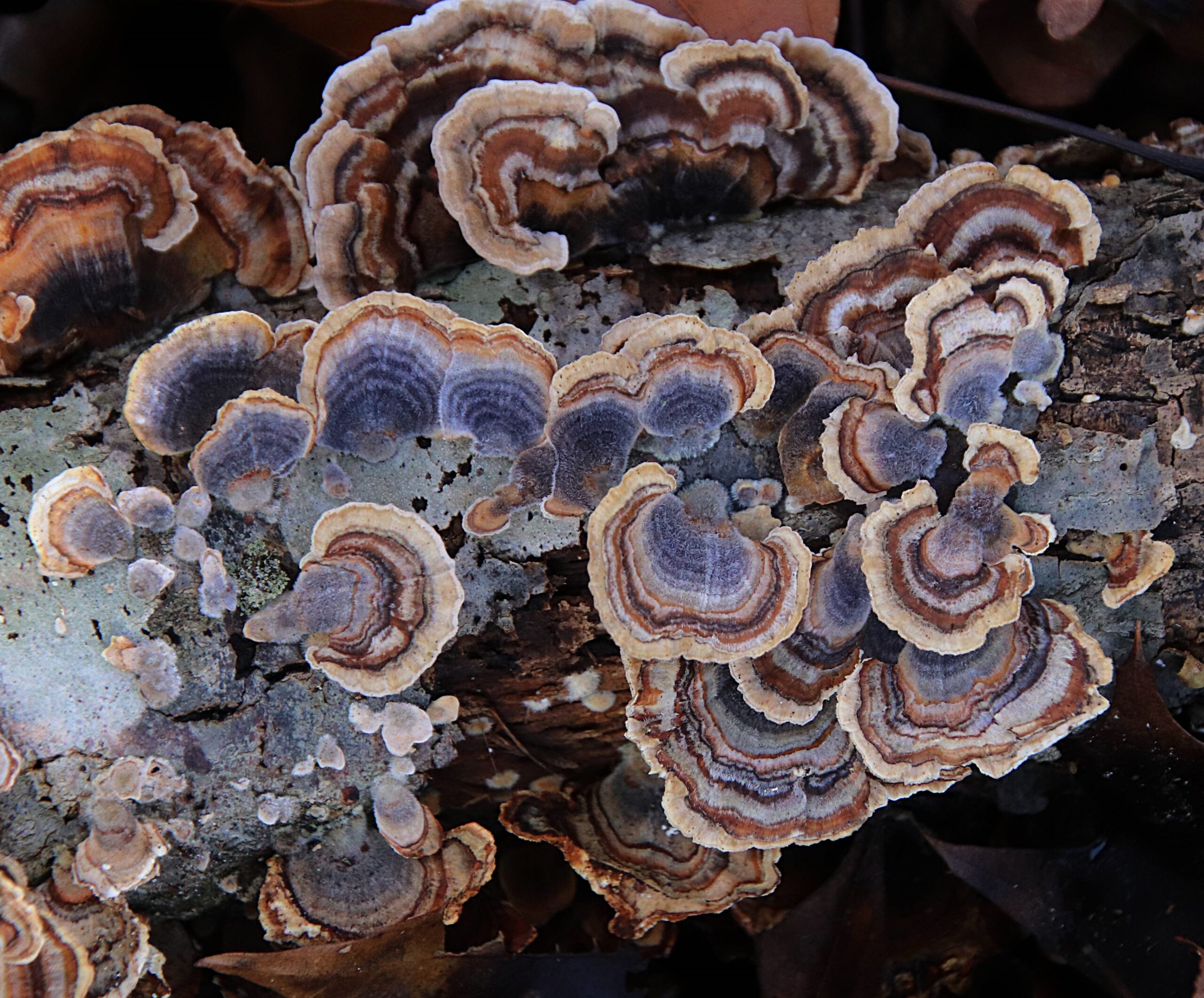
Adkins Arboretum’s Mystery Monday!  Can You Guess What’s Pictured Below?

February 19, 2024 by Adkins Arboretum Leave a Comment

The answer to last week’s mystery is turkey tail fungi, Trametes versicolor. Turkey tail fungi grows in rows or clusters of tiered layers on dead wood. It prefers stumps or logs of deciduous trees, mainly hardwood, such as beech or oak.
Turkey tail breaks down the lignin portion of dead wood, leaving behind white, stringy cellulose, hence, it is considered a “white rot” fungus. Fungi belong to their own kingdom and get their nutrients and energy from organic matter, rather than photosynthesis, like plants.
While other fungi fade away by winter, turkey tail endures, and bridges the color gap to spring. Turkey tail’s vibrant contrasting colors makes one pause to admire the beauty.
Mystery Monday is sponsored by the Spy Newspapers and Adkins Arboretum.

The Spy Newspapers may periodically employ the assistance of artificial intelligence (AI) to enhance the clarity and accuracy of our content.

Filed Under: Food and Garden Notes

Garden Club of the Eastern Shore Hosts Address on Climate Change

February 16, 2024 by Spy Desk Leave a Comment

All hands on deck as climate change causes sea levels to rise and encroach on low lying roads and properties and inundate local storm management systems. Our leaders on Maryland’s Eastern Shore are challenged to mitigate flooding and design solutions that leverage the best of ideas for protecting our way of life and preserving our connections to the water.

With a panel of local experts, including Kody Cario, Tim Kearns, Roy Myers and Larry A. White, former Horns Point Lab Director Mike Roman will moderate a discussion at the Chesapeake Bay Maritime Museum, Van Lennep Auditorium aimed at understanding the efforts underway in Easton, Oxford, St. Michaels and Cambridge. Sponsored by the Garden Club of the Eastern Shore, join us on March 13 at 11 a.m. to learn more about the challenges and solutions being developed and implemented as we adapt to rising sea levels and related climate change events. Admission is free and seating is limited. All donations benefit the Garden Club of the Eastern Shore’s Scholarship Fund.

In addition, the Oxford Community Center will be sponsoring a complimentary three-part series on this topic on April 10, May 1, and June 5.  Check the OCC website for details and to register.

For more information about the Garden Club of the Eastern Shore or to make a donation to the Scholarship Fund, write to GCES, P.O. Box 1924, Easton, MD 21601.

Cutline for the Strand project photo:  Along the Strand in Oxford, a project is underway to reduce erosion and create living shorelines to build up the beach. Grasses will be planted on the berms, hooks and islands to stabilize the eroding shoreline.

The Spy Newspapers may periodically employ the assistance of artificial intelligence (AI) to enhance the clarity and accuracy of our content.

Filed Under: Food and Garden Notes

Wine of the Week by Jenn Martella: “Fosche” Piemonte DOC Chardonnay

February 9, 2024 by Dave Wheelan Leave a Comment

Ciao Tutti!

This weekend we will travel to Piemonte to taste the “Fosche” Piemonte DOC Chardonnay ($20.25) from the Vite Colte winery in Barolo. Vite Colte (Cultured Lives) was created under the patronage of the Terre da Vino Cooperative which was founded in 1980 and has approximately 5,000 hectares under vine. Vite Colte was founded in 2010 with the goal of identifying the best growers and vineyards in Piemonte, a lofty goal since Piemonte contains some of the most prized vineyards in Italy that produce Barolo and Barbaresco!
Vite Colte quickly rose to be the flagship producer for Terre da Vino and key to their success was that one of the most knowledgeable agronomists about Piedmontese indigenous grapes, Daniel Eberle, came on board to work closely with winemaker Bruce Cordero. Vite Colte’s 180 growers devote part of their vineyards to the Vite Colte “Project” . They must adhere to strict protocols from planting to vinification on their 300 hectares of land that results in very high standards of consistent quality that is maintained from year to year. Behind each bottle of Vite Colte wine is a story, a family and a face.

I have been searching for an Italian Chardonnay  to replace my fondness for California’s Monterey County Chardonnay and this one may be “The One”, since the tasting notes mention a taste of honey crisp apples, my fave apple variety.  “Fosche” translates as “gloomy”, which probably refers to the fog that descends from the mountains to cover the grapes and allow them to reach their full potential. Come join me at Piazza Italian Market Friday from noon to 5:45 or Saturday from noon to 4:45 and see if my search for an Italian Chardonnay will end with Fosche- it may be “The One” for you too!

Cin Cin!

Jennifer Martella has pursued dual careers in architecture and real estate since she moved to the Eastern Shore in 2004. She has reestablished her architectural practice for residential and commercial projects and is a referral agent for Meredith Fine Properties. Her Italian heritage led her to Piazza Italian Market, where she hosts wine tastings every Friday and Saturday afternoons.

The Spy Newspapers may periodically employ the assistance of artificial intelligence (AI) to enhance the clarity and accuracy of our content.

Filed Under: Food and Garden Notes

Happy Mystery Monday! Guess the Picture!

February 5, 2024 by Adkins Arboretum Leave a Comment


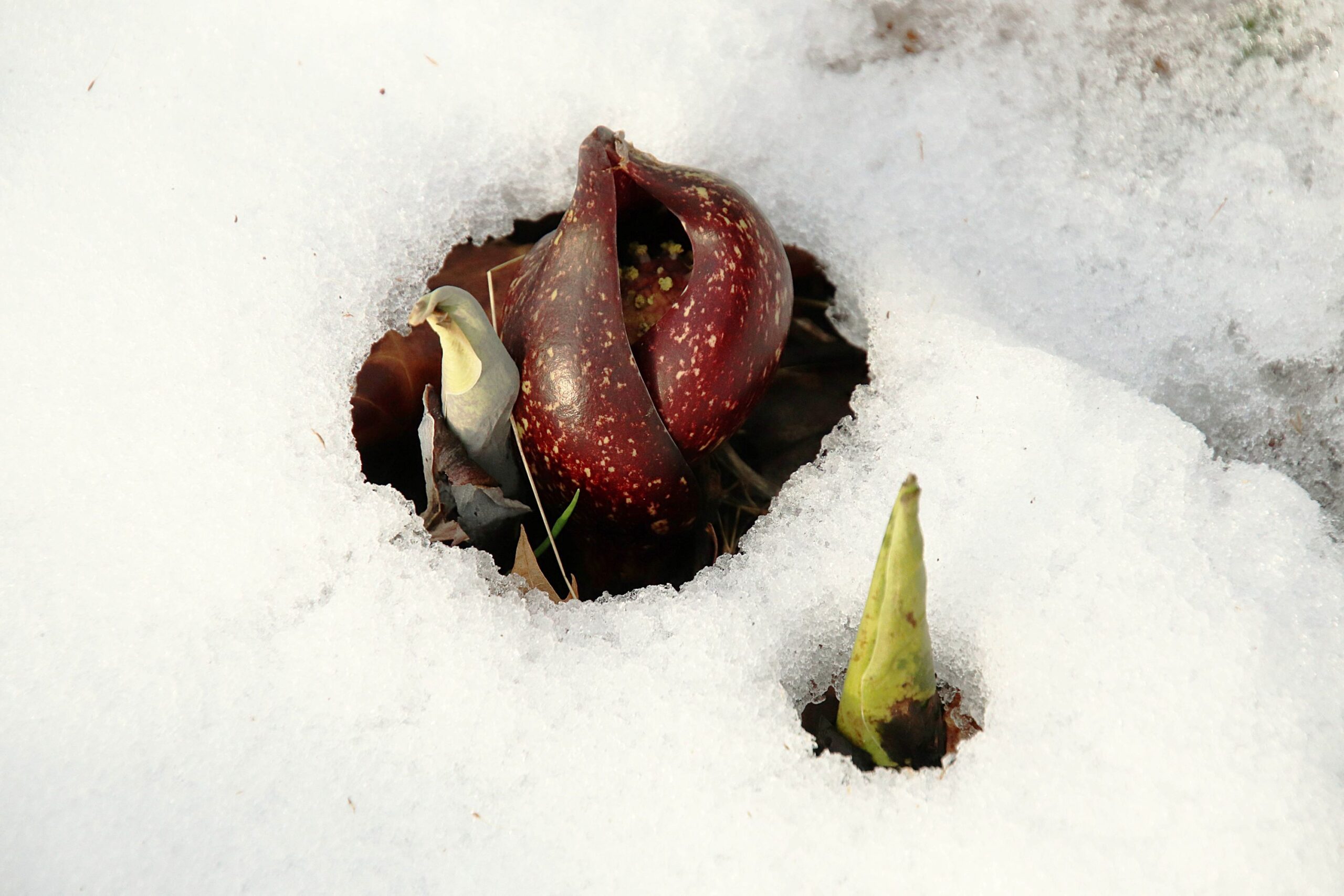
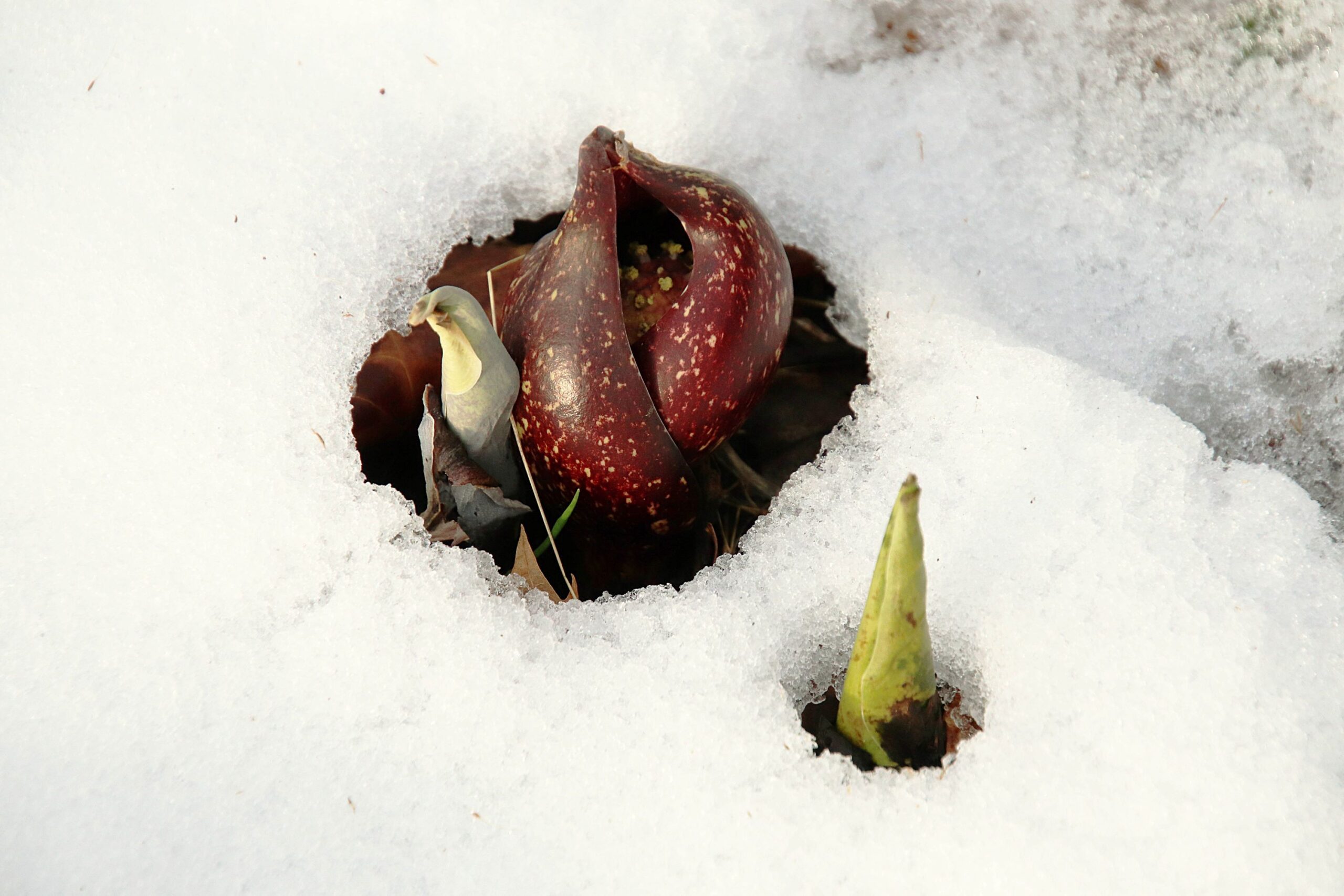
The answer to last week’s mystery is skunk cabbage, Symplocarpus foetidus, pictured in photo below.


The large spathe surrounding the spadix cabbage gets its name from the unpleasant odor it emits.

The skunk cabbage exhibits thermogenesis, or the ability to metabolically generate heat. Its spadix can generate temperatures on average 20 degrees warmer inside the spathe than the surrounding air temperature for nearly two weeks. It can also bloom while there is still snow and ice on the ground.

Skunk cabbage attracts pollinators that are drawn to rotting meat, primarily carrion-feeding flies and gnats. It is also visited by bees, beetles, and other insects, possibly because of the warmth.

Skunk cabbage has a massive root system, with roots which pulls the plant deeper into the soil each year. A few inches below the surface, a thick mat of unbranched, fibrous roots grows out in all directions from the elongated rootstock, terminating in an extensive system of fibrous rootlets. The roots and rootstock store large amounts of nutrients necessary for thermogenesis and to produce the lush foliage the following year.

Mystery Monday is sponsored by the Spy Newspapers and Adkins Arboretum.

The Spy Newspapers may periodically employ the assistance of artificial intelligence (AI) to enhance the clarity and accuracy of our content.

Filed Under: Food and Garden Notes

Growing Up Green! Homeschool Programs on Tap at Adkins Arboretum

February 1, 2024 by Spy Desk Leave a Comment

Spring is an exciting time for new life at the Arboretum! Adkins Arboretum is offering a series of homeschool classes this spring with Growing Up Green! During this eight-week program, students will peek into bluebird boxes, scoop up tadpoles with nets, scout for chrysalises in the pollinator beds, use binoculars to find squirrel nests, plant sunflower seeds and much more as they learn about the fascinating life cycles of our native plants and wildlife.

Early reading skills will be incorporated into this program, but reading is not a requirement for participation. Students should dress for the weather as most learning will take place outdoors. The program is for ages 6–10. Classes take place Tuesdays, March 26 to May 14 from 1 to 2:30 p.m.

Advance registration is required at adkinsarboretum or by calling 410-634-2847.


The Spy Newspapers may periodically employ the assistance of artificial intelligence (AI) to enhance the clarity and accuracy of our content.

Filed Under: Food and Garden Notes

Adkins Arboretum Happy Mystery Monday! Can You Guess What This Is?

January 29, 2024 by Adkins Arboretum Leave a Comment

Today’s mystery:


The answer to last week’s mystery is eastern hemlock, Tsuga canadensis, pictured below.

Mystery Monday is sponsored by the Spy Newspapers and Adkins Arboretum.

The eastern hemlock is a forest giant, affectionately nicknamed the Redwood of the East. It can live for over 500 years and reach heights of more than 170 feet. (Note: The eastern hemlock is not poisonous or related to the poisonous hemlock of the herbaceous species.)

This species thrives on streams-sides and is frequently found on steep, north facing rock slopes. It presents a very graceful appearance with dense branches that reach the ground.

Hemlock foliage is an important source of food and shelter in eastern forests, particularly in Winter when hardwood trees are dormant.

Historically, hemlock bark was an important source of tannin for the leather tanning industry. Hemlock also boasts the unusual power of holding spikes, so the lumber is often used for general construction and objects like crates.

For more about Adkins Arboretum, please go here.

The Spy Newspapers may periodically employ the assistance of artificial intelligence (AI) to enhance the clarity and accuracy of our content.

Filed Under: Archives, Food and Garden Notes

Become “United by Flowers” on Adkins Arboretum Trip to Philadelphia Flower Show

January 29, 2024 by Adkins Arboretum Leave a Comment

Now in its 195th year, the award-winning PHS Philadelphia Flower Show is a one-of-a-kind marquee event known the world over for its exquisite and immersive floral exhibits, world-class plant competitions, family-friendly activities and educational offerings. It is a top destination and a must-experience horticultural event. On Mon., March 4, join Adkins Arboretum for an unforgettable trip to this year’s show, “United by Flowers.”

“United by Flowers” is a celebration of the community that blooms each spring at the annal Show—a moment with hundreds of thousands of visitors share in a week-long magnification of the transformative power of gardening. In this fragmented world of consistently changing landscapes, everyone who participates brings their passion and enthusiasm to co-create this unique event that proudly puts this vibrant and colorful collective on display.

The Philadelphia Horticultural Society’s Philadelphia Flower Show is the nation’s largest and longest-running horticultural event. The show will be packed with a variety of flowers and plants at the peak of seasonal perfection. Visitors can expect spectacular floral and garden displays, educational areas, plant exhibits, shopping, a play area for families and plentiful food and drink options. Hundreds of spectacular native butterflies can also be experienced in the Butterflies Live! exhibit. The Arboretum group will be admitted to the show at 9 a.m.—a full hour before it opens to the public.

The trip is $150 for Arboretum members and $185 for non-members. The bus departs from Aurora Park Drive in Easton at 6:45 a.m. and will stop for pickups at the Rt. 50 westbound/Rt. 404 Park and Ride near Wye Mills and the 301/291 Park and Ride in Millington. Return time is 4 p.m. Advance registration is required at adkinsarboretum.org or by calling 410-634-2847, ext. 100.


The Spy Newspapers may periodically employ the assistance of artificial intelligence (AI) to enhance the clarity and accuracy of our content.

Filed Under: Food and Garden Notes

Wine of the Week by Jenn Martella: Dolcetto d’Alba

January 26, 2024 by Jennifer Martella Leave a Comment

Ciao Tutti!

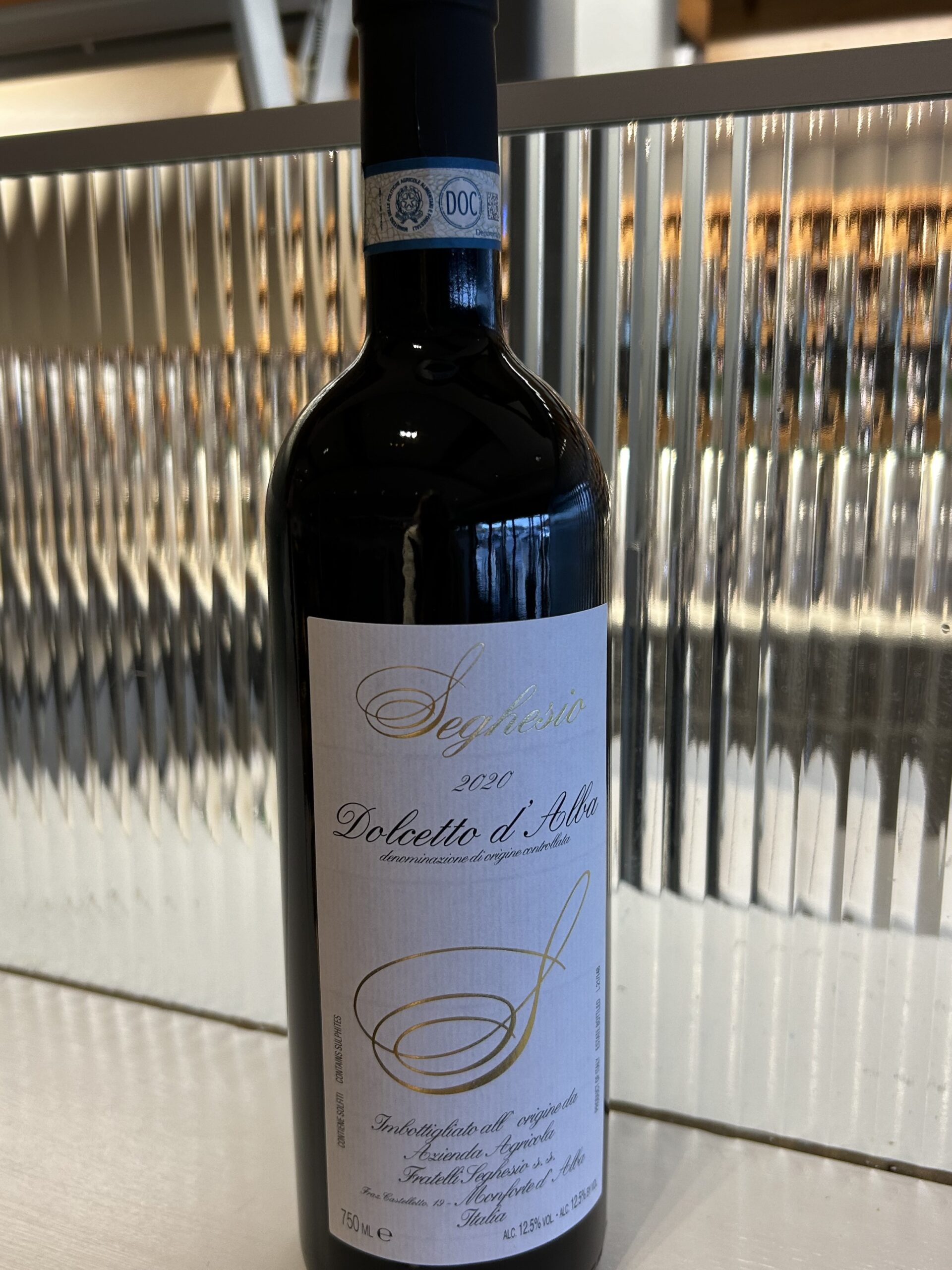
This weekend we travel to Piemonte to taste the Dolcetto d’Alba ($17.25) from the Azienda Agricola Fratelli Seghesio vineyard. Wine made from the Dolcetto grape is dry, never sweet, for its nickname “little sweet one” refers to the fact that only the grapes are sweet. Dolcetto was the favorite grape of both Luigi Einaudi, Italy’s President from 1948 to 1955, and Camillo Benso, Count of Cavour, who served as Italy’s first Prime Minister, beginning in 1852.

Dolcetto is considered the third of Piedmont’s Big Three Reds but third place behind the stellar Barolo and Barbaresco is quite an accolade!  The majority of Alba’s gentle slopes are covered with vines arranged in neat rows as if they had been combed by a giant rake. There are seven Dolcetto DOC wines in Piemonte and Dolcetto d’Alba is one of the best known and has the fullest body.

Seghesio’s Dolcetto is dry with a bright ruby red color, fresh black cherry and red fruit taste, soft tannins, in short, very easy to drink. Pair with antipasti or other starters, cold meats, pasta and pizza. Today, Piazza’s  prepared dinners of Bucatini all’ Amatriciana, Hand Made Gnocchi, or Pasta alla Norma would all taste great with a glass of Dolcetto.

Many of you enjoy this winery’s Barbera d’Alba so come join me to taste its grape “cousin” at Piazza Italian Market on Friday from noon to 5:45 and Saturday from noon to 4:45.

Cin Cin!

Jennifer Martella has pursued dual careers in architecture and real estate since she moved to the Eastern Shore in 2004. She has reestablished her architectural practice for residential and commercial projects and is a referral agent for Meredith Fine Properties. Her Italian heritage led her to Piazza Italian Market, where she hosts wine tastings every Friday and Saturday afternoons.

The Spy Newspapers may periodically employ the assistance of artificial intelligence (AI) to enhance the clarity and accuracy of our content.

Filed Under: Food and Garden Notes

Adkins Arboretum Mystery Monday: Guess the Picture

January 22, 2024 by Spy Desk Leave a Comment

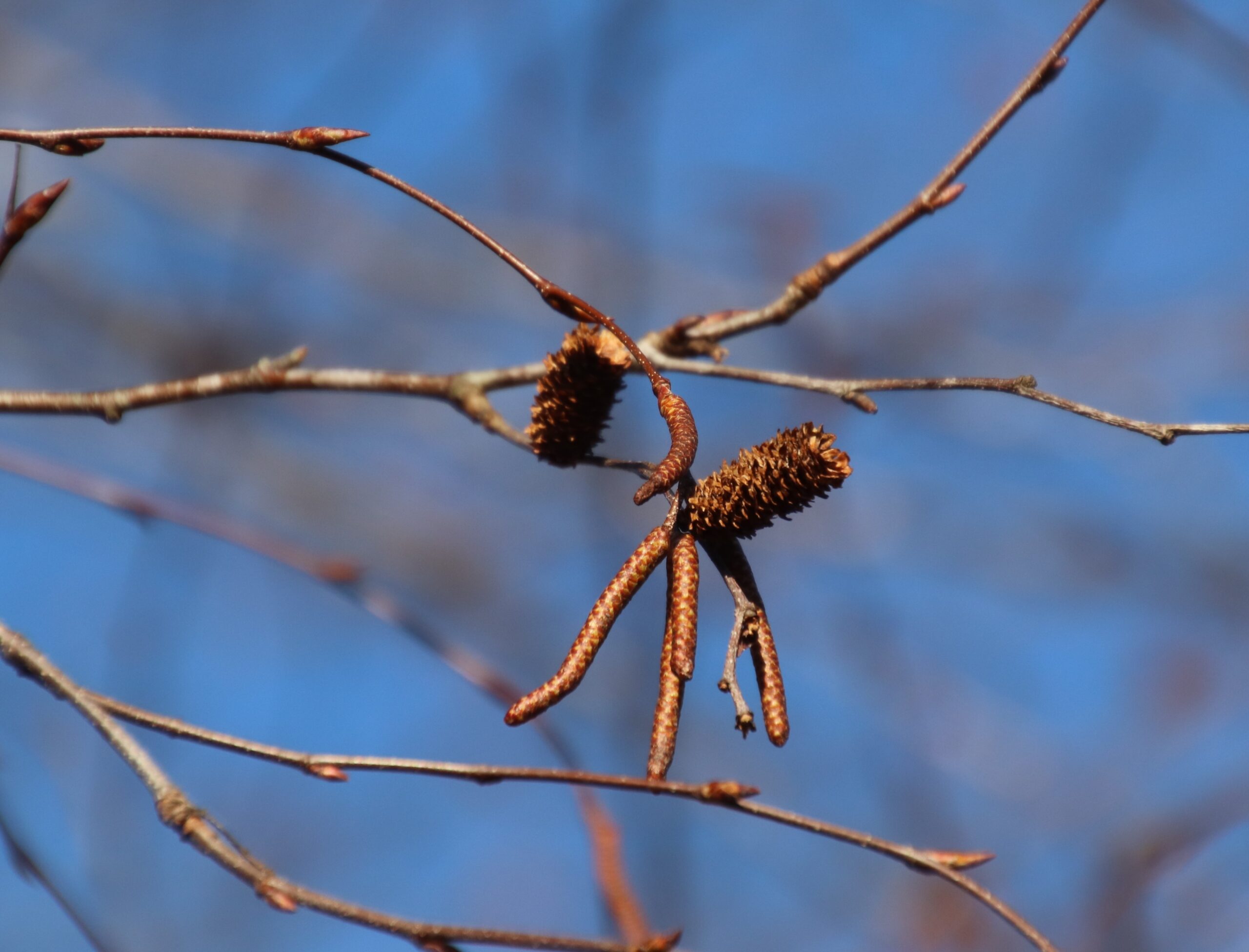
The answer to last week’s mystery is sweet birch, Betula lenta, pictured below.

Also known as black or cherry birch, this native species is present throughout much of eastern North America. It is found in moist ravines and cool forests with well drained, deep, rich soil – although, occasionally it can be found in rocky or shallow soils.

Birches frequently have catkins in winter. Unlike most other birches, mature Betula lenta can develop hard, scaly plates. Sweet birch is valued for its wood, which when exposed to air darkens to resemble mahogany.

The inner bark of sweet birch has a strong wintergreen scent, which led to its use in the production of oil of wintergreen. Interestingly, the wintergreen produced from sweet birch is identical to that produced by the wintergreen plant. At one time, sweet birch was the only source of oil of wintergreen, an essential oil known for its antibacterial, antifungal, antiviral, insecticidal, and antioxidant properties.

Mystery Monday is sponsored by the Spy Newspapers and Adkins Arboretum. for more about Adkins Arboretum, please go here.


The Spy Newspapers may periodically employ the assistance of artificial intelligence (AI) to enhance the clarity and accuracy of our content.

Filed Under: Food and Garden Notes

Adkins Mystery Monday: Can You Guess What is Pictured?

January 15, 2024 by Adkins Arboretum Leave a Comment

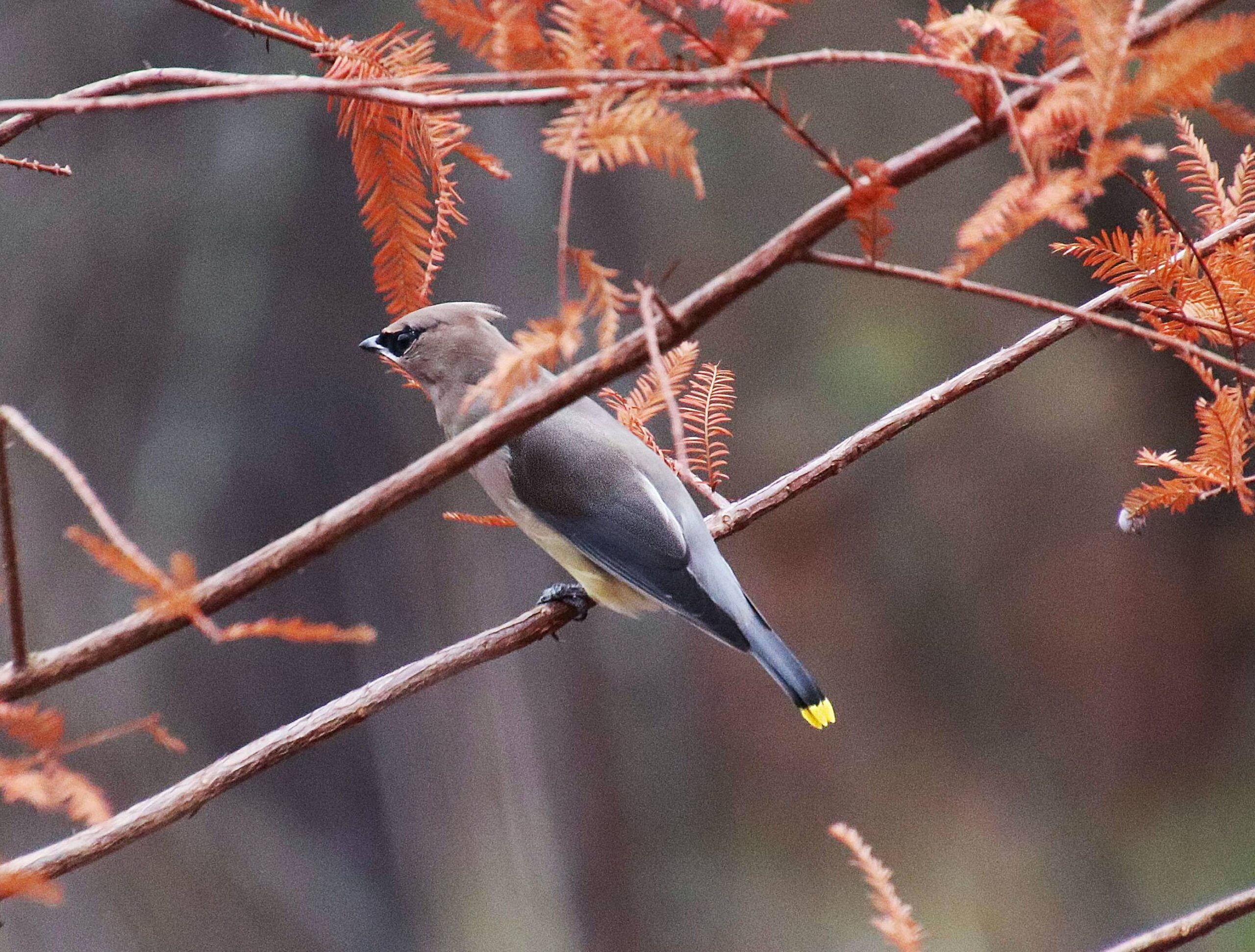
Happy Mystery Monday! The answer to last week’s mystery is cedar waxwing, Bombycilla cedrorum, pictured here.

The cedar waxwing is small in size, landing somewhere between a sparrow and robin. They are native to North America. Male and female cedar waxwings look alike. Their bellies are pale yellow, and their tails are gray with a bright yellow tip. Their faces have a narrow black mask neatly outlined in white, and they have red waxy tips on their wing feathers.

Cedar waxwings are sociable, and often groom each other. They travel in flocks of 40 or more birds. Waxwings are mostly frugivorous, or fruit eaters. Occasionally a cedar waxwing will become drunk or even die from eating berries that have fermented. Male waxwings court the females by doing a hopping dance and passing berries or pieces of fruit to the female. If the female is interested, she will do a hopping dance and pass the fruit or berry back to the male.

The female cedar waxwing lays four to six eggs. The male will bring her food and guard the nest while she incubates the eggs. Both parents feed the chicks.

Guess what this is!

Adkins Mystery Monday is sponsored by the Spy Newspapers and Adkins Arboretum. For more information go here.


The Spy Newspapers may periodically employ the assistance of artificial intelligence (AI) to enhance the clarity and accuracy of our content.

Filed Under: Archives, Food and Garden Notes, Local Life

  • « Previous Page
  • 1
  • …
  • 19
  • 20
  • 21
  • 22
  • 23
  • …
  • 26
  • Next Page »

Copyright © 2026

Affiliated News

  • Chestertown Spy
  • Talbot Spy
  • Cambridge Spy

Sections

  • Sample Page

Spy Community Media

  • Sample Page
  • Subscribe
  • Sample Page

Copyright © 2026 · Spy Community Media Child Theme on Genesis Framework · WordPress · Log in