


Janie Meneely began writing songs about the Chesapeake Bay in the 1980s. She’s been at it ever since. She has performed her songs and stories about Chesapeake people, places and traditions on stages around the world—and now she’s bringing them to Adkins Arboretum in a special all-ages Chesapeake Songs & Stories program on Sun., Sept. 10.
“Miss Janie” weaves a unique tapestry of tales and songs that bring to life some of the characters of a traditional waterman’s community. Born and raised on the Chesapeake, she remembers when the Annapolis City Dock was jammed with workboats that hauled crabs, fish and oysters to markets around the Bay. “So many people come here now to revel in what the Bay has to offer, but they have little knowledge of what used to happen down on the docks,” she notes. Her remedy for that is to write songs that chronicle her own Bay experiences and capture the stories she’s heard over the years, whether as a little girl hanging around her father’s boatyard or during her professional career as a journalist.
Meneely has also spent time as a teacher, a sailmaker and a live-aboard sailor, always “on the listen” for a good story. From iconic lighthouses to tragic shipwrecks to the trials of Woolie Bear and his Bad Luck Underwear, her songs bring to life some of the characters who add spice and color to Chesapeake history. She is joined by her husband, Dutch-born guitarist Rob van Sante, who lends his knack for melodies and flair for vocal harmony to Meneely’s compositions. Together they deliver a lively and informative program suitable for ages 5 to 95.
Chesapeake Songs & Stories runs from 2 to 3 p.m. and is $10 for Arboretum members/$15 for non-members. Advance registration is required at adkinsarboretum.org or by calling 410-634-2847, ext. 100.
Adkins Arboretum is a 400-acre native garden and preserve at the headwaters of the Tuckahoe Creek in Caroline County. For more information, visit adkinsarboretum.org.

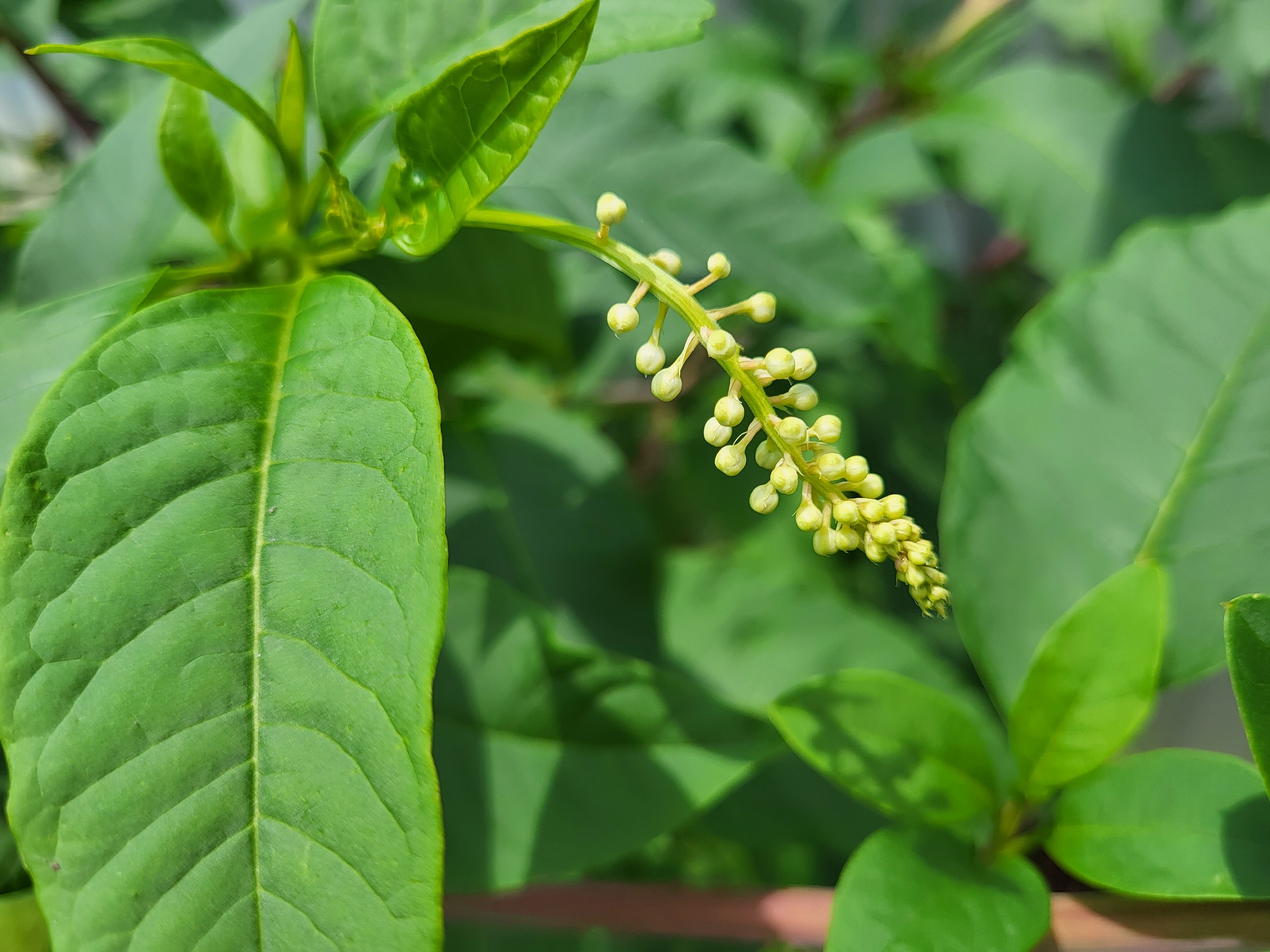
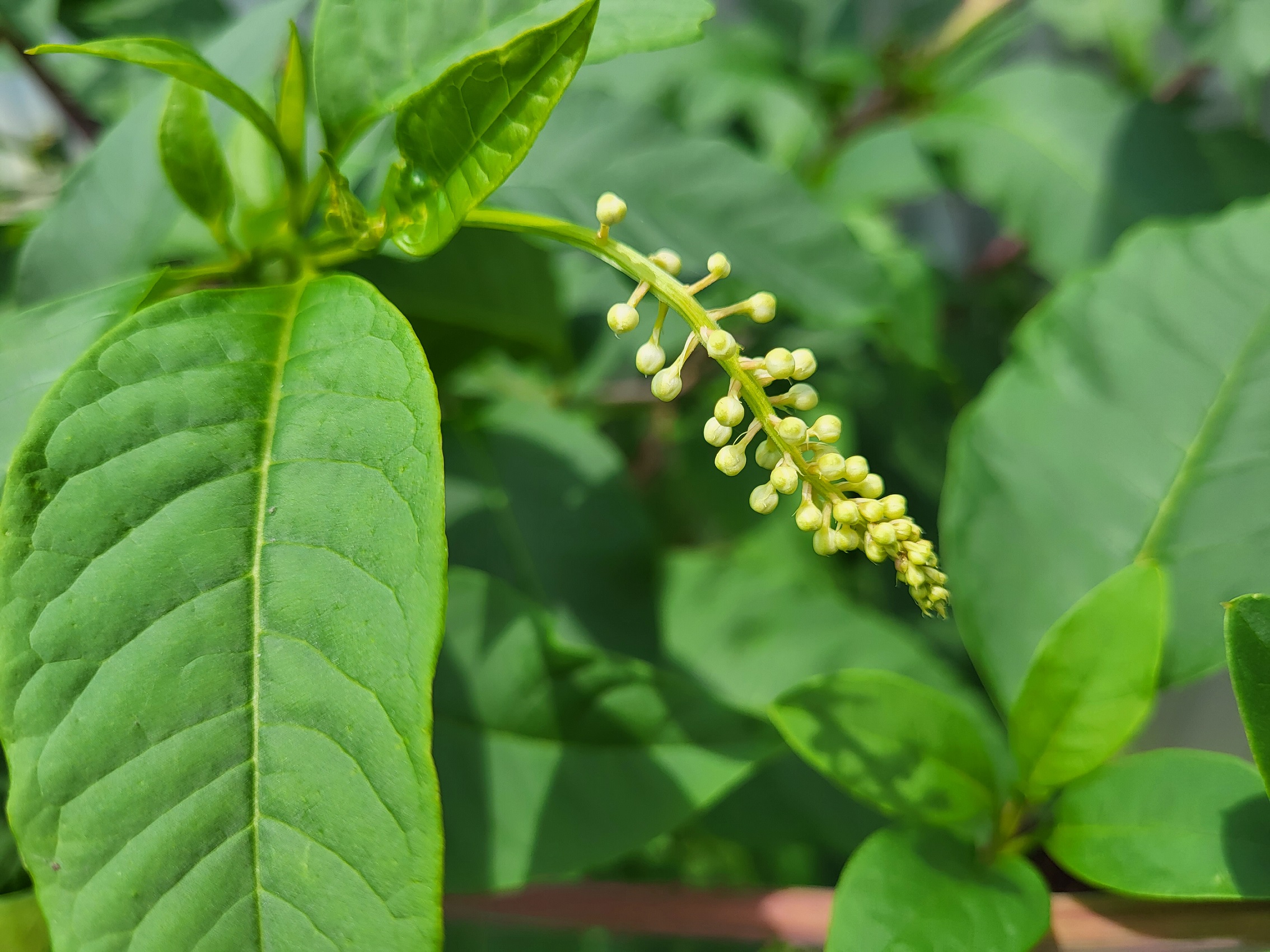
 Last week, we asked you about pokeweed (Phytolacca americana)! Pokeweed can grow up to ten feet tall and has equally impressive taproots growing almost one foot deep and 4 inches thick! While all parts of this plant are poisonous, people have historically prepared the young spring shoots for food (after many rounds of boiling) and have used the berries as a dye. While many may consider this a weed, we recommended leaving this plant for the wildlife as it offers an important food source for birds, insects, and is a host plant for the giant leopard moth.
 Adkins Mystery Monday is sponsored by the Spy Newspapers and Adkins Arboretum. For more information go
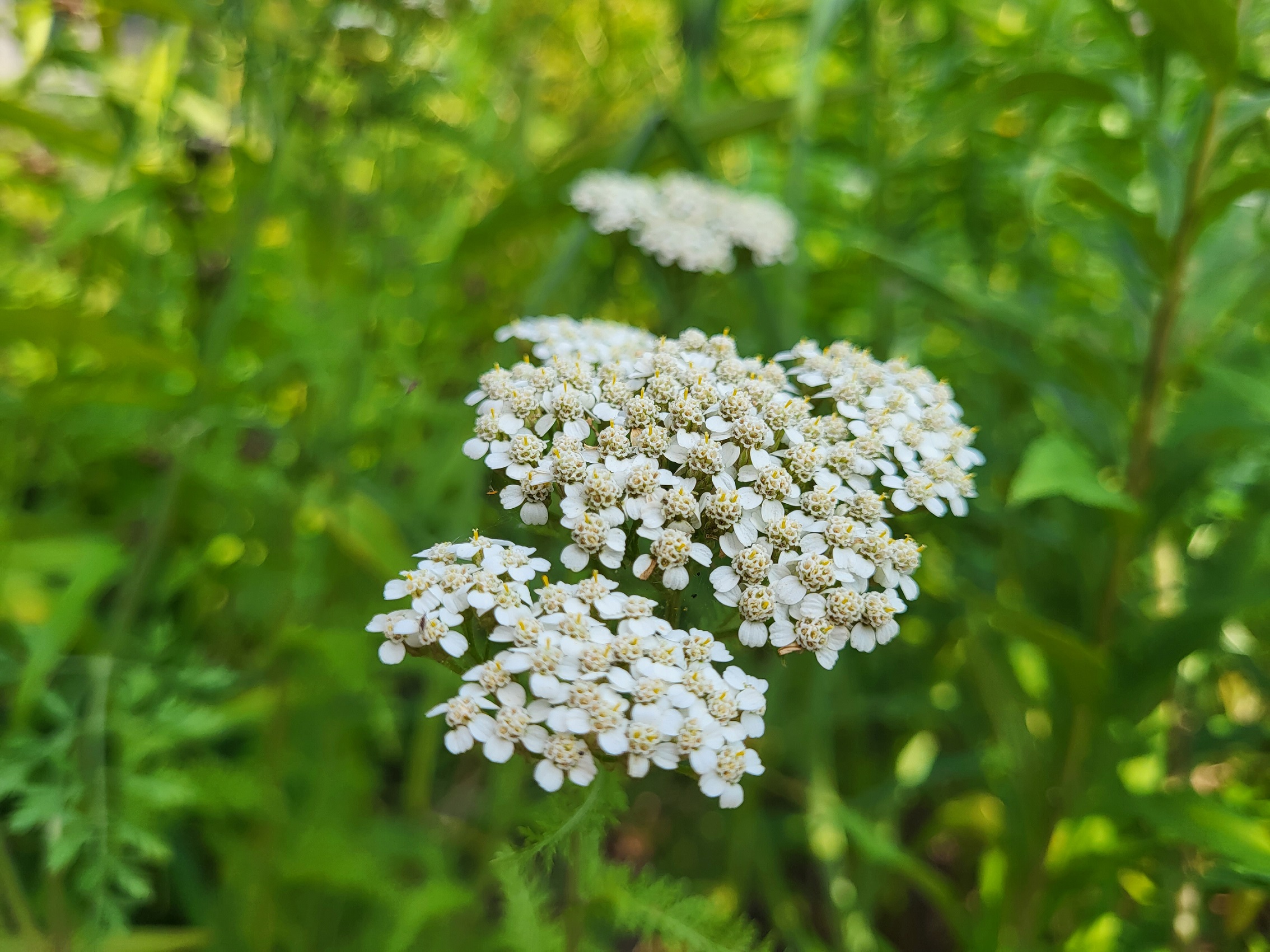
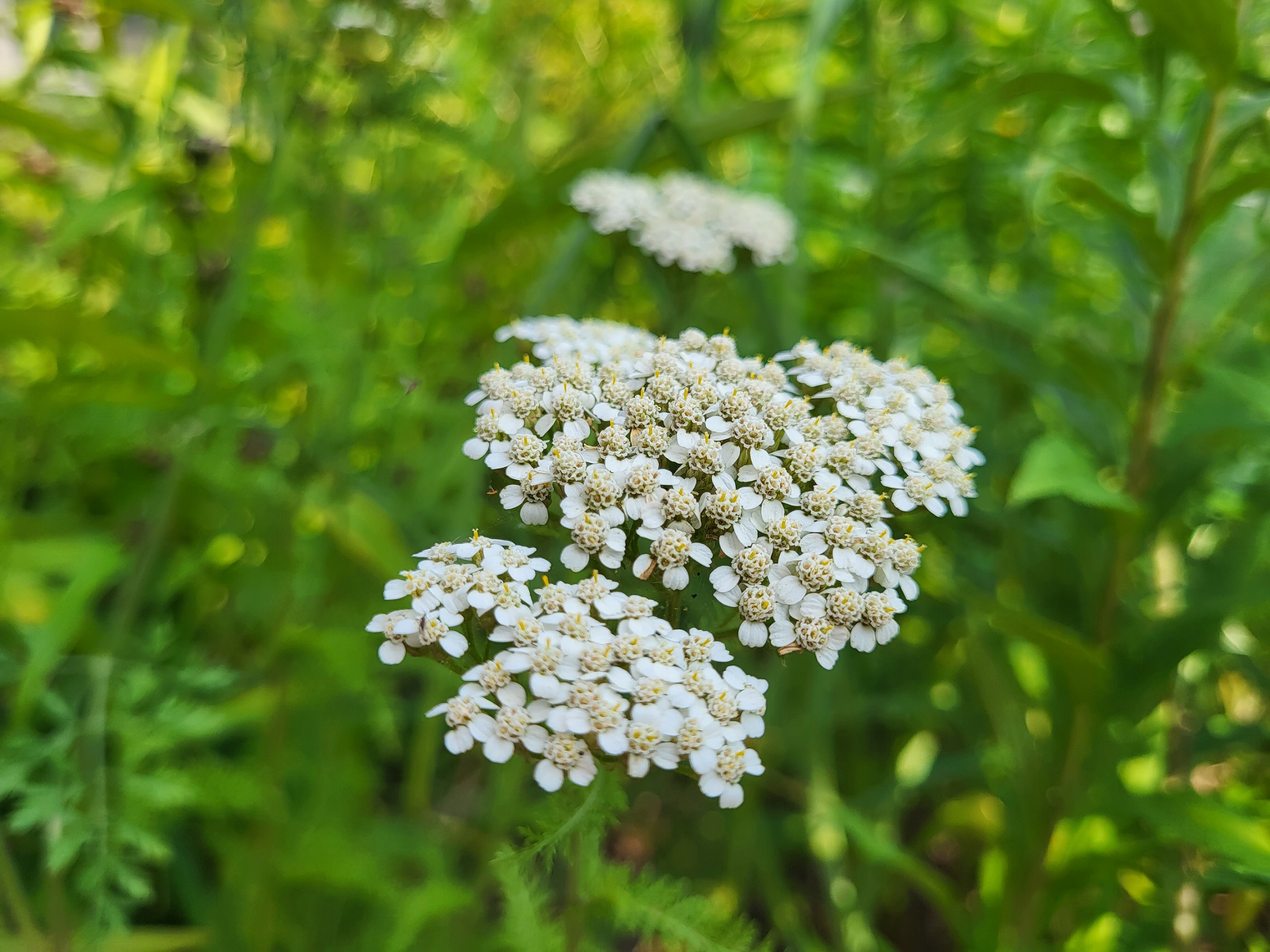
 Last week, we asked you about yarrow (Achillea millefolium)! Yarrow can stand anywhere from 1 to 3 feet tall. It has large, compact clusters of white to pinkish-white flowers (though there are many cultivars with a wide variety of colors). The leaves are very distinct with a feathery and lacy appearance. Yarrow is often found in meadows and old fields. At Adkins, you’ll find them prominent in some of the cultivated gardens, as well as the landscape. This plant has a variety of ethnobotanical and medicinal uses and also serves as a host plant for many insects. Some studies also suggest that by incorporating yarrow in their nests, birds can inhibit parasites.
 Adkins Mystery Monday is sponsored by the Spy Newspapers and Adkins Arboretum. For more information go
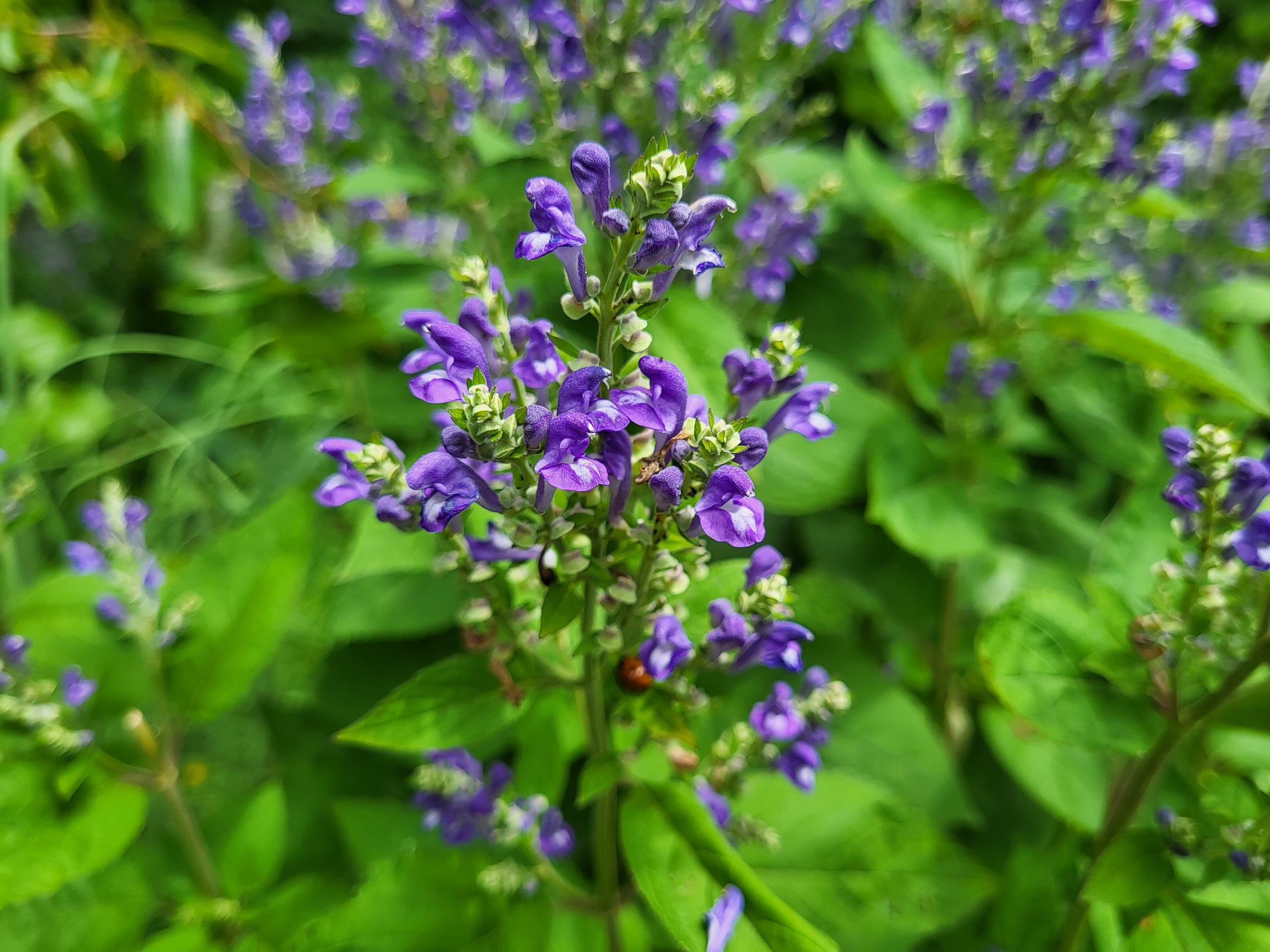
  Last week, we asked you about skullcap (Scutellaria spp.)! There are three recorded species in Caroline County, though the species pictured here is more often found in Maryland’s Piedmont region. We believe this skullcap is downy skullcap (Scutellaria incana) due to its leaf size and shape, plant height, and fuzziness (or pubescence) of the plant. For anyone looking to practice keying out plant species, the Scutellaria provide a great deep dive into plant parts and characteristics. Scutellaria is part of the mint family, so you’ll notice the characteristic square stem and spreading habit. The name Scutellaria comes from the latin Scutella, which means small dish and refers to the remaining calyx after the flower falls off. Skullcap is primarily pollinated by bumblebees, but provides ample nectar to a variety of insects.
 Adkins Mystery Monday is sponsored by the Spy Newspapers and Adkins Arboretum. For more information go