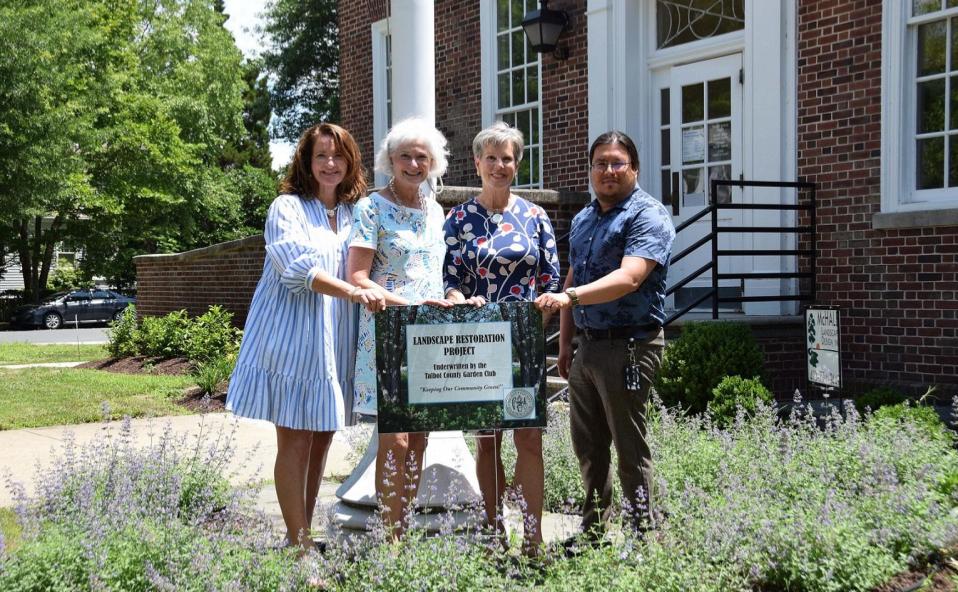

The Talbot County Garden Club has awarded its 2023 Project Grant to redesign and re-landscape the grounds in front of the U.S. Post Office on Dover Street. “This award recognizes that replacing the Post Office’s aging landscape with fresh plantings will not only beautify the grounds but also be welcoming to the many local residents who regularly visit that facility,” said the club’s incoming president Maribeth Lane.
The Post Office project was initiated and overseen by TCGC member Paige Connelly, assisted by Lane and immediate past president Carolyn Rugg. The landscaping was professionally installed by McHale Landscape Design, Inc.

Talbot County Garden Club members Paige Connelly, Maribeth Lane and Carolyn Rugg check out the newly installed greenery gracing the front of the Easton Post Office with USPS Easton Post Master Billy Mercier.
TCGC introduced its Project Grant Program in 2022 with its first venture providing funds for the design and acquisition of greenery and benches along the new 2.5-mile Rail Trail Extension in Easton.
According to Lane, “The Talbot County Garden Club is thoroughly committed to supporting projects that benefit our community and enrich the natural beauty of our environment.”
For more information about Talbot County Garden Club, visit talbotcountygc.org.

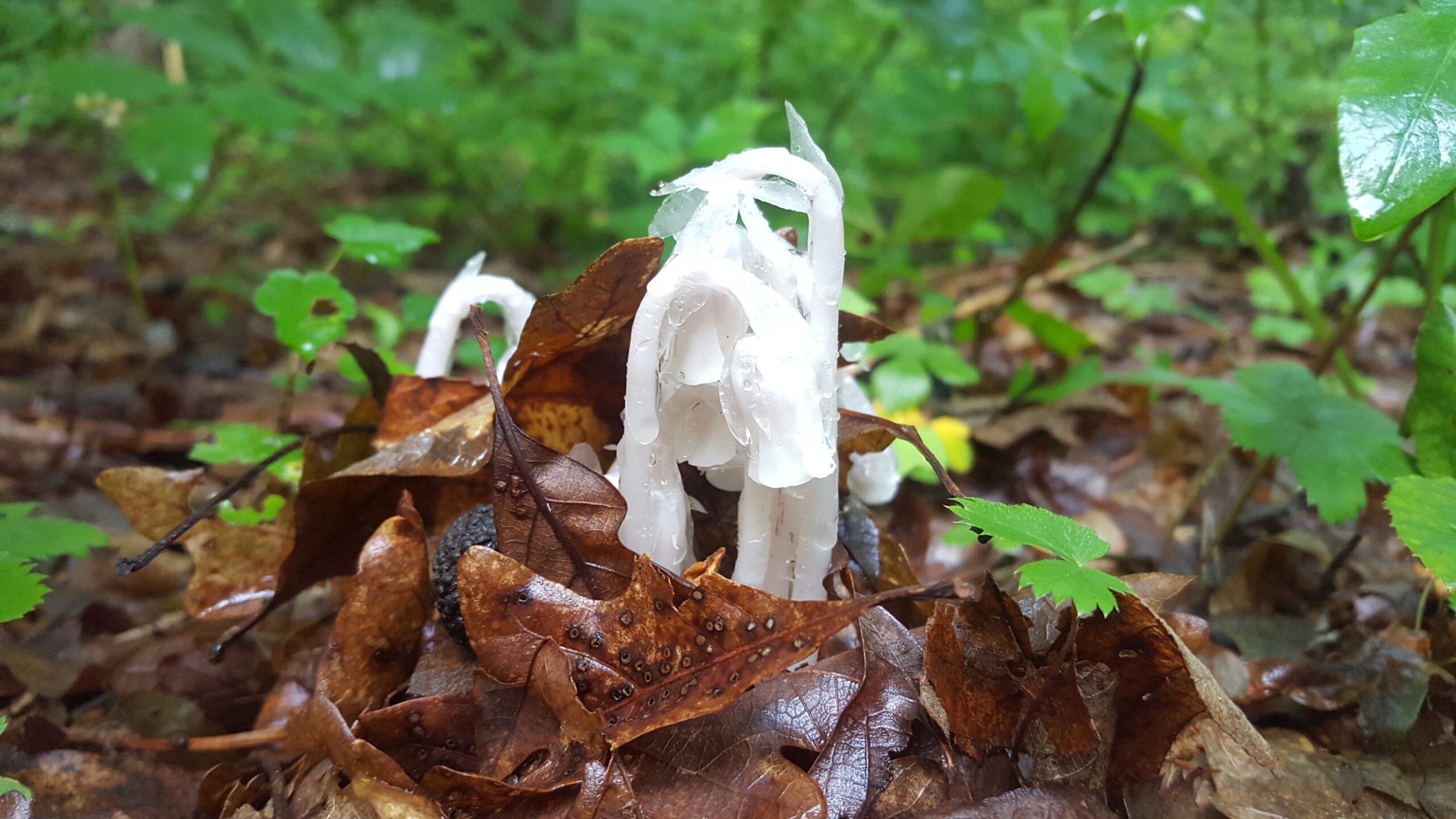
 Last week, we asked you about ghost pipe (Monotropa uniflora)! Also known as Indianpipe, this plant is often confused for a fungus due to its white color and growth habit. Ghost pipes are parasitic plants, getting their nutrients via mycorrhizal fungi from the roots of other plants instead of relying on photosynthesis to produce their own. This relationship is known as mycoheterotrophy. Because it is non-photosynthetic, it does not produce chlorophyll, which provides the typical green pigmentation in plants. Once considered to be in the same plant family as blueberries, ghost pipe is now a member of Monotropaceae. Bumblebees serve as important pollinators of the ghost pipe.
 Adkins Mystery Monday is sponsored by the Spy Newspapers and Adkins Arboretum. For more information go
  Adkins Mystery Monday is sponsored by the Spy Newspapers and Adkins Arboretum. For more information go
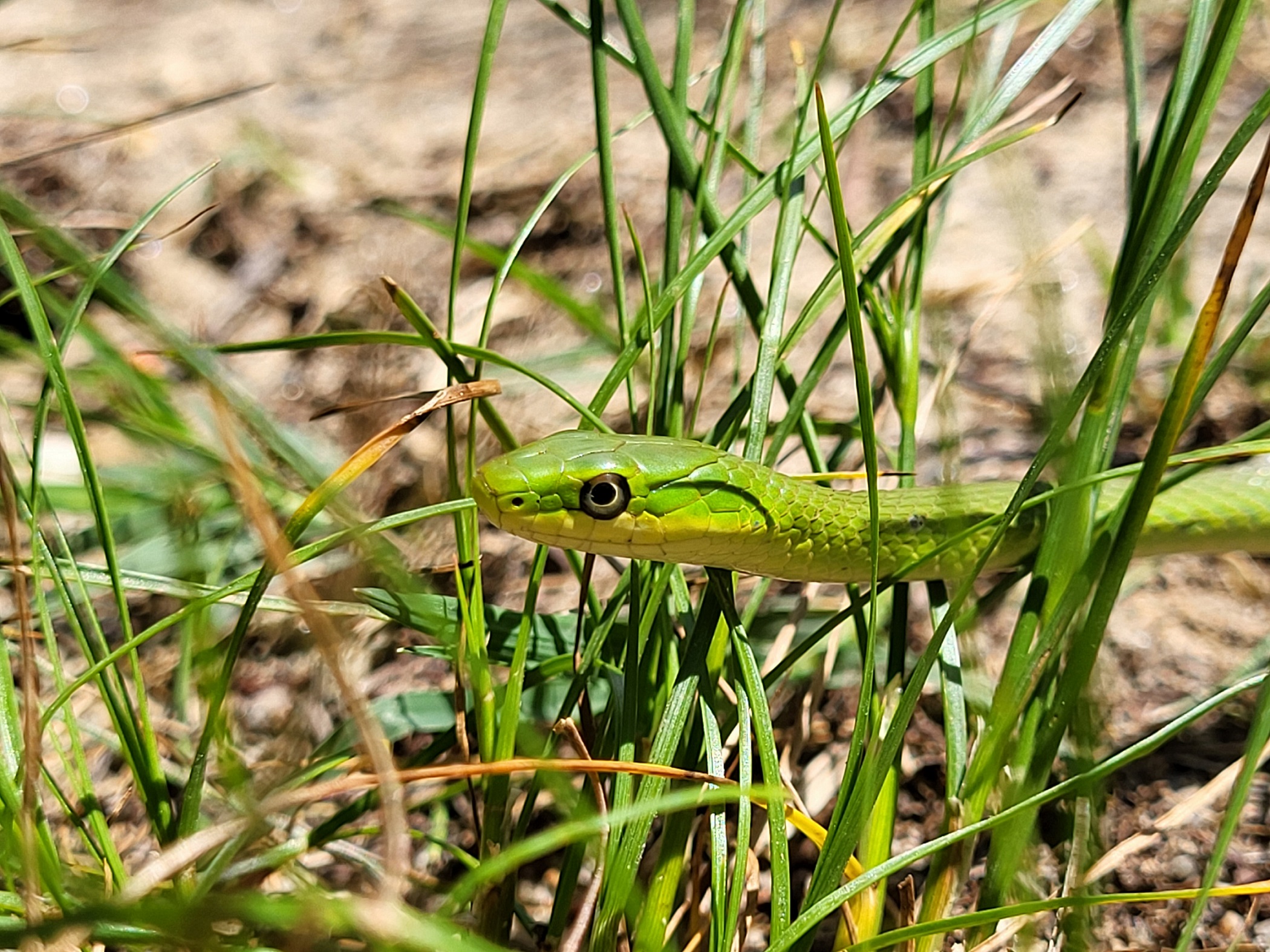
  Last week, we asked you about the rough green snake (Opheodrys aestivus)! A rough green snake can easily be identified and differentiated from its relative the smooth green snake by two main things. 1) the rough green snake has keeled scales and the smooth green snake has smooth scales. 2) the rough green snake is found throughout Maryland, except for the western most counties, where the smooth green snake mainly resides. The rough green snake is small and very thin, but can grow up to 40 inches long. It is not venomous and primarily eats insects. They can be found in the grass or easily navigating and camouflaging among the shrubs and trees.
 Adkins Mystery Monday is sponsored by the Spy Newspapers and Adkins Arboretum. For more information go


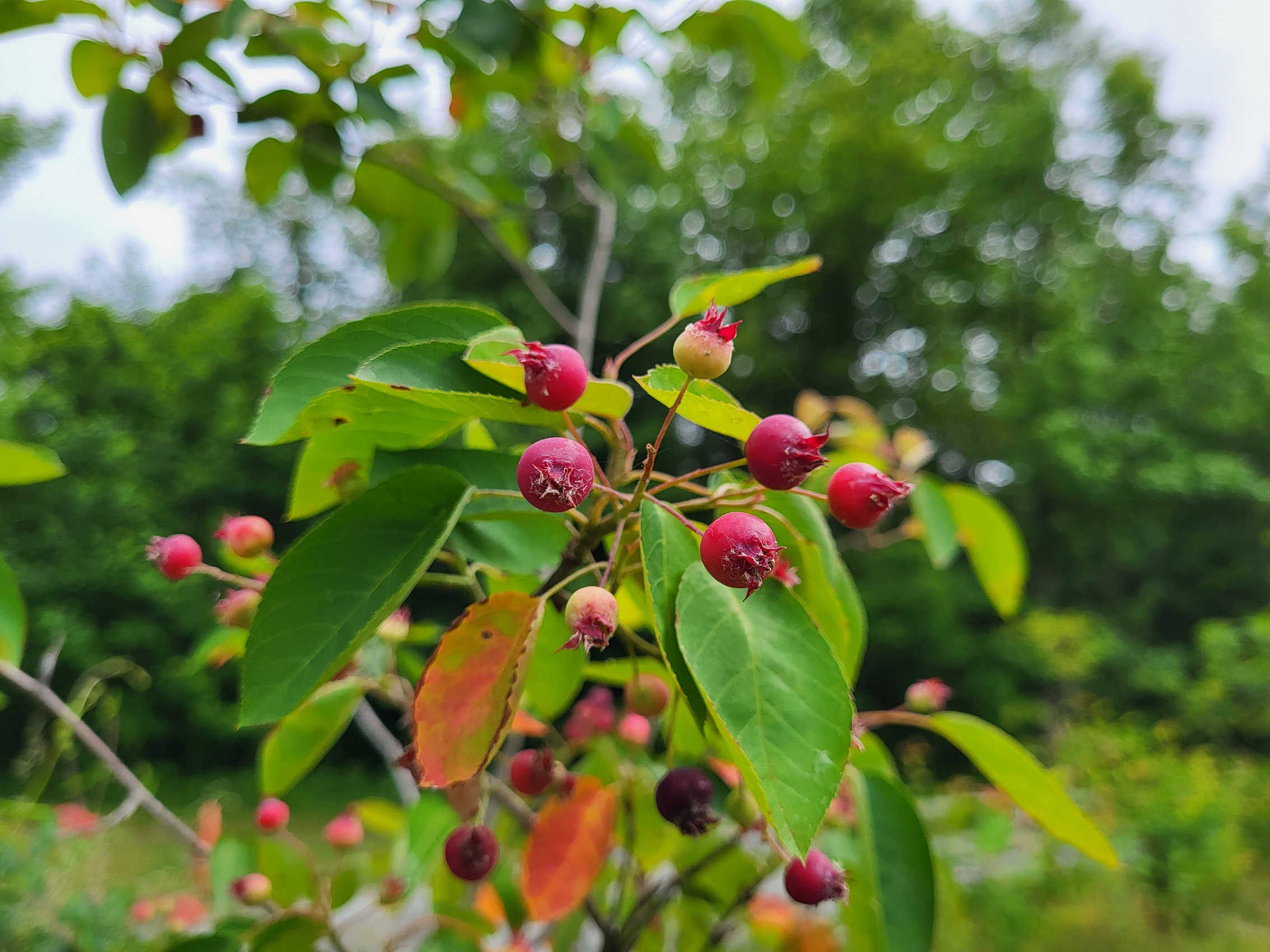
 Last week, we asked you about the serviceberry (Amelanchier canadensis)! Also known as a juneberry or shadbush, this small native tree produces dark purple fruits similar in taste and appearance to blueberries in June. Serviceberries are one of the first native trees to flower offering an important nectar source for a variety of pollinators. Birds and mammals enjoy the sweet fruits. Butterflies such as the red spotted purple and the viceroy use the tree as a host plant for their larvae. If you are looking for a versatile native tree with great wildlife value and tasty fruits, a serviceberry may be an excellent addition to your yard.
 Adkins Mystery Monday is sponsored by the Spy Newspapers and Adkins Arboretum. For more information go

 The Garden Club of the Eastern Shore (GCES) awards an annual merit-based scholarship to a graduating senior who attends school in Talbot County or who is home schooled. The award is given to a senior who expects to major in horticulture, landscape architecture or design, botany, environmental science, agriculture or a related field in college. Outstanding academic achievement along with volunteer or work experience, which shows a strong work ethic and a commitment to excellence, are considered.
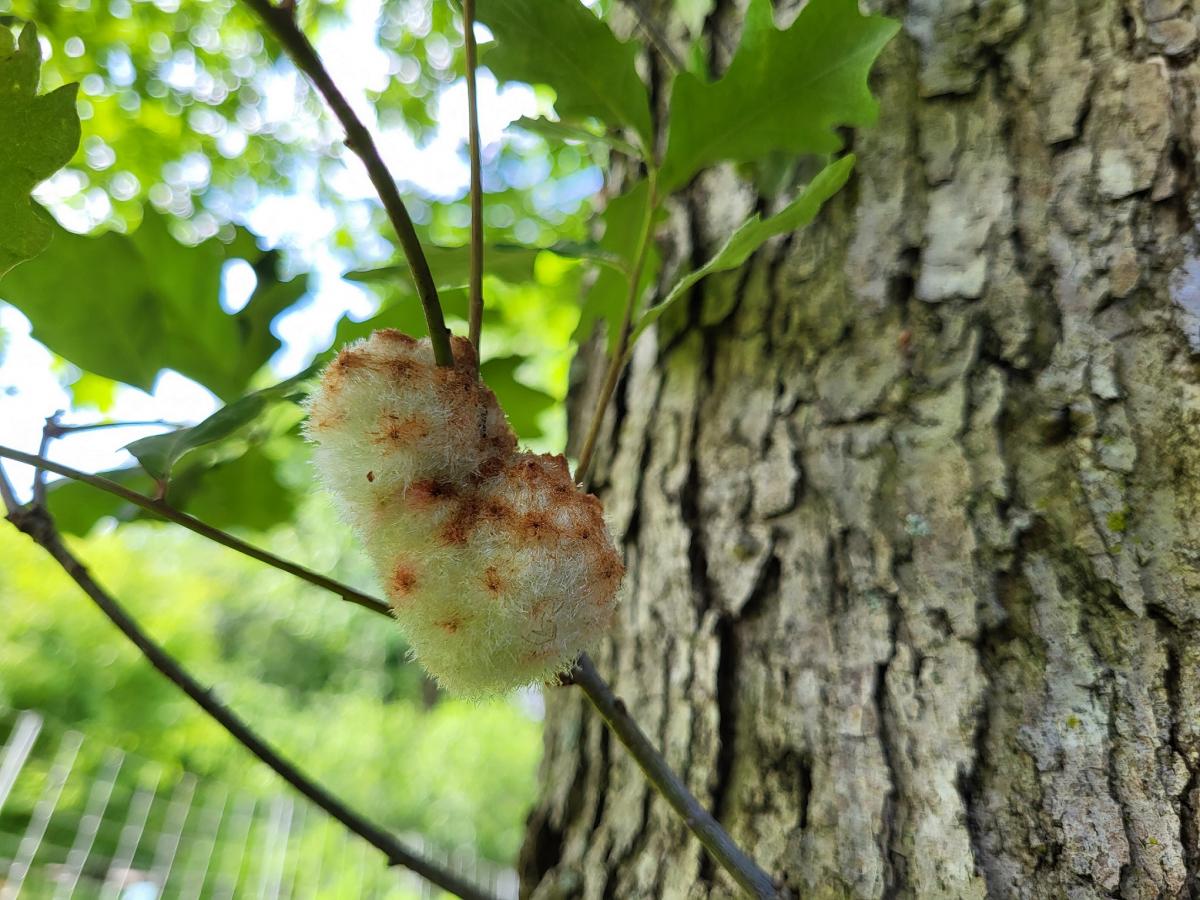
 Last week, we asked you about a gall produced by the wool sower gall wasp (Callirhytis seminator). A gall is an abnormal growth of the plant tissue usually due either to insects, viruses or fungi. In this case, the wool sower gall wasp lays its eggs in the plant tissue of the white oak tree and the larvae give off secretions that cause the “gall” to form. Within the gall, the larvae are protected and able to develop. This wasp is tiny (only about 1/8″ long) and does not sting humans. Interestingly, they operate on a two-generation alternating cycle, switching back and forth between laying their eggs in the stems and the leaves of white oaks.
 Adkins Mystery Monday is sponsored by the Spy Newspapers and Adkins Arboretum. For more information go